
Iran strikes US air base in Kuwait as Trump dismisses Hormuz deal, rattling crypto markets
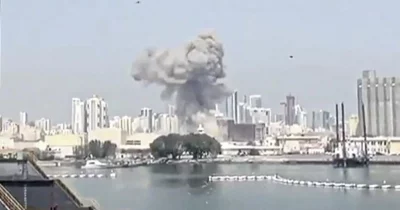
Iran conducted military strikes against a US air base in Kuwait amid escalating tensions, coinciding with Trump's dismissal of the Hormuz Strait deal. The geopolitical escalation threatens to disrupt global oil supplies and increase crude prices, creating volatility across traditional and cryptocurrency markets.
The Iran-US military confrontation represents a significant geopolitical flashpoint with direct implications for global energy markets. Iran's strikes on US military infrastructure signal a dangerous escalation in the region, while Trump's rejection of the Hormuz deal removes diplomatic channels that previously helped stabilize relations. This combination threatens to destabilize one of the world's most critical energy chokepoints, through which roughly 20% of global oil passes daily.
Historically, Middle Eastern military conflicts drive oil price spikes, which ripple across all asset classes. The previous tensions between Iran and the US in 2019-2020 demonstrated this pattern clearly, with crude surging and traditional markets experiencing sharp corrections. Cryptocurrency markets, despite their decoupling narrative, typically move in tandem with broader risk-off sentiment during geopolitical crises as institutional investors reduce leverage and rebalance portfolios.
For crypto investors and traders, the immediate concern is volatility expansion rather than directional bias. Rising oil prices fuel inflation expectations, potentially complicating monetary policy and affecting risk appetite for speculative assets. Additionally, any conflict expansion could trigger banking system stress, flight-to-safety dynamics, and capital controls—scenarios that historically pressured cryptocurrencies alongside equities.
Market participants should monitor crude oil futures, the VIX volatility index, and geopolitical risk premiums as leading indicators for crypto market direction. If tensions escalate further to include port closures or shipping disruptions, the inflationary shock could persist for months, creating a challenging environment for risk assets. The interaction between geopolitical risk, energy prices, and central bank response will ultimately determine whether crypto markets benefit from inflation hedging narratives or suffer from broader financial stress.
- →Iran's military strikes on US infrastructure and Trump's Hormuz deal dismissal create geopolitical risk that traditionally drives oil price volatility.
- →Crude oil price increases from Middle East tensions historically correlate with risk-off sentiment affecting all asset classes including cryptocurrency.
- →Crypto markets face headwinds from potential inflation expectations and reduced leverage during periods of heightened geopolitical uncertainty.
- →A major disruption to Hormuz Strait shipping could extend price pressures across energy and financial markets for extended periods.
- →Investors should use oil futures, VIX levels, and geopolitical risk indices as leading indicators for crypto market direction during this crisis.