
Iran’s Revolutionary Guards strike US airbase after American attack near Bandar Abbas
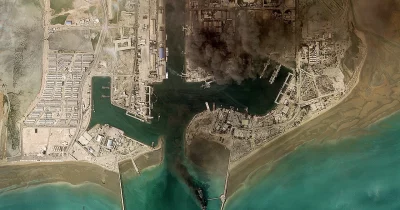
Iran's Revolutionary Guards launched strikes against a US airbase following an American military operation near Bandar Abbas, escalating Middle Eastern tensions. The confrontation poses significant risks to global oil supplies and financial markets, including cryptocurrency volatility, as geopolitical instability traditionally triggers flight-to-safety asset movements.
The military escalation between Iran and the United States represents a critical geopolitical flashpoint with direct implications for global energy markets and financial stability. Direct military engagements in the Middle East, particularly involving major oil-producing regions like those near Bandar Abbas, create immediate supply-side risk for crude oil markets. When geopolitical uncertainty spikes, investors typically reassess portfolio allocations across multiple asset classes, including cryptocurrencies, which have increasingly become alternative stores of value during periods of international tension.
This incident follows a pattern of rising US-Iran tensions that have periodically destabilized regional security since 2020. Previous confrontations in the region, including sanctions escalations and proxy conflicts, have created market volatility spikes. The proximity of these military operations to critical Persian Gulf infrastructure means any broader conflict could disrupt approximately 20-30% of global daily oil production, creating cascade effects throughout energy-dependent economies.
Cryptocurrency markets respond predictably to geopolitical shocks through two mechanisms: immediate volatility as traders react to headlines, and longer-term price appreciation as investors hedge against currency devaluation and capital controls in affected regions. Oil price spikes inversely pressure equities while benefiting commodities-linked crypto assets and stablecoins as safe harbors. Risk-on sentiment typically contracts during such escalations, reducing speculative trading volume in altcoins.
Market participants should monitor three key indicators: actual oil price movements, broader equity market reactions, and any statements suggesting international diplomatic intervention. Sustained price elevation in energy commodities would strengthen the macroeconomic case for alternative asset diversification, potentially supporting crypto adoption during periods of traditional market stress.
- →Iran-US military escalation near Bandar Abbas threatens critical Persian Gulf oil infrastructure and global energy supplies.
- →Geopolitical crises typically trigger cryptocurrency volatility as investors seek alternative assets during periods of international uncertainty.
- →Oil price spikes from regional conflicts create risk-off sentiment that reduces speculative trading and strengthens demand for stablecoins.
- →Historical precedent shows Middle Eastern military confrontations can sustain market volatility for weeks to months depending on diplomatic resolution.
- →Crypto markets particularly sensitive to escalation signals that could trigger broader sanctions or capital controls in affected economies.