
Iran deploys submarines amid heightened US tensions in Strait of Hormuz
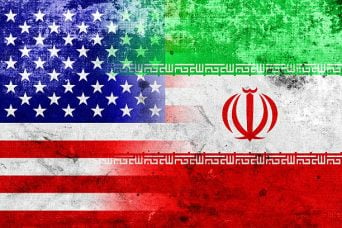
Iran has deployed submarines in the Strait of Hormuz amid escalating tensions with the United States, raising concerns about potential disruptions to global oil markets. The heightened military activity in this critical shipping chokepoint threatens regional stability and could trigger broader geopolitical conflict with significant economic consequences.
Iran's submarine deployment in the Strait of Hormuz represents a significant escalation in military posturing during a period of strained US-Iran relations. The Strait serves as one of the world's most critical energy chokepoints, with approximately one-third of global seaborne oil passing through its narrow waters daily. Any sustained military confrontation in this region carries profound implications for global energy security and economic stability.
The deployment follows a pattern of tit-for-tat military activities between Washington and Tehran, rooted in decades of tension exacerbated by the 2018 US withdrawal from the Joint Comprehensive Plan of Action (JCPOA). Iran's submarine presence signals its willingness to contest US naval dominance and demonstrates technological advancement in its military capabilities, though questions remain about operational readiness and actual deterrent value.
For cryptocurrency and digital asset markets, geopolitical crises traditionally drive investors toward safe-haven assets. Oil price volatility stemming from Strait of Hormuz tensions historically correlates with risk-off sentiment, potentially benefiting bitcoin and other cryptocurrencies that serve as inflation hedges or portfolio diversifiers. However, sustained regional conflict could trigger broader macroeconomic instability, currency depreciation, and capital flight to traditional assets, creating unpredictable conditions for crypto markets.
Market participants should monitor developments closely, particularly any incidents affecting commercial shipping or declarations of blockades. Escalation beyond current posturing could trigger oil price spikes exceeding $100 per barrel, forcing central banks to reassess monetary policy and potentially affecting risk asset valuations across all markets, including cryptocurrencies.
- →Iran's submarine deployment in the Strait of Hormuz escalates military tensions with the US and threatens critical global oil shipping routes.
- →Approximately one-third of global seaborne oil transits the Strait, making any disruption a significant macroeconomic risk factor.
- →Geopolitical crises typically drive cryptocurrency volatility and can increase demand for assets perceived as inflation hedges.
- →Oil price spikes resulting from regional conflict could force monetary policy adjustments affecting all risk asset classes.
- →Cryptocurrency investors should monitor Strait of Hormuz developments as potential triggers for market-wide risk-off sentiment.