
Iran to submit revised peace proposal after Trump rejection: CNN
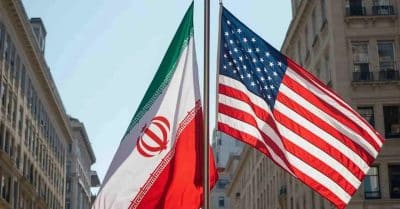
Iran is preparing a revised peace proposal following the Trump administration's rejection of its previous offer, signaling continued diplomatic engagement despite heightened US-Iran tensions. The move reflects Iran's efforts to maintain dialogue channels and potentially de-escalate regional conflicts through negotiation.
Iran's decision to submit a revised peace proposal after diplomatic rejection demonstrates the persistence of diplomatic channels despite high-stakes political tensions. This development carries geopolitical significance given the history of US-Iran relations and the broader implications for Middle Eastern stability. When major geopolitical actors engage in peace negotiations, global risk sentiment often shifts, affecting asset allocation across cryptocurrency and traditional markets that respond to geopolitical uncertainty premiums.
The context of this proposal matters substantially. The Trump administration's initial rejection suggests tough negotiating positions on both sides, yet Iran's willingness to revise and resubmit indicates both sides may seek eventual resolution. Historically, periods of negotiation uncertainty create volatility in risk assets as investors reassess tail-risk scenarios involving regional conflict escalation or sanctions intensification.
For cryptocurrency markets specifically, geopolitical tensions can serve as drivers of both safe-haven flows into digital assets and increased regulatory scrutiny, particularly if sanctions become relevant to cross-border transactions. Iran has previously explored cryptocurrency as a sanctions-evasion mechanism, making US-Iran relations directly relevant to crypto regulatory discussions and enforcement priorities.
Investors should monitor whether this proposal gains traction or faces further rejection. Success in negotiations could reduce geopolitical risk premiums across markets, while failure might trigger renewed tension and increased volatility. The trajectory of these diplomatic efforts will influence broader market sentiment regarding risk-on positioning and asset allocation decisions.
- →Iran submitted a revised peace proposal after Trump administration rejection, signaling ongoing diplomatic engagement
- →Geopolitical tensions between major powers directly influence cryptocurrency market sentiment and risk-asset valuations
- →Iran's historical use of cryptocurrency for sanctions evasion makes US-Iran relations relevant to crypto regulatory policy
- →Success or failure of peace negotiations could materially shift safe-haven asset flows and volatility expectations
- →Investors should track diplomatic developments as proxies for broader geopolitical risk reassessment