
Iran supertanker evades US blockade, impacting Strait of Hormuz market outlook
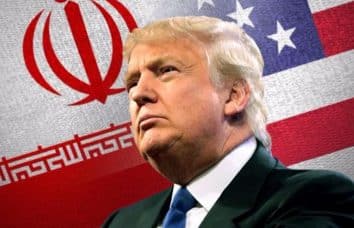
An Iranian supertanker successfully evaded U.S. enforcement measures in the Strait of Hormuz, revealing gaps in blockade implementation. The incident underscores persistent regional tensions and could extend market volatility in global oil supplies, with implications for energy-linked cryptocurrency and commodity markets.
The successful evasion of a U.S. blockade by an Iranian supertanker signals a critical enforcement challenge in one of the world's most strategically important shipping corridors. The Strait of Hormuz handles roughly one-third of global seaborne oil trade, making any disruption to shipping patterns a concern for energy markets and broader macroeconomic stability. Iran's ability to circumvent sanctions enforcement suggests either gaps in surveillance capabilities, challenges in international coordination, or evolving evasion tactics that complicate U.S. policy objectives.
This incident reflects the ongoing U.S.-Iran tension stemming from sanctions regimes that have intensified since 2018. Iran has consistently developed workarounds to sanctions, including ship-to-ship transfers, spoofing transponders, and leveraging smaller operators willing to accept regulatory risk. These tactics demonstrate the cat-and-mouse dynamics between enforcing parties and sanctioned actors seeking market access.
For financial markets, renewed uncertainty around Strait of Hormuz stability typically correlates with oil price spikes and broader risk-off sentiment. Cryptocurrency markets sensitive to macroeconomic stress often respond to geopolitical incidents affecting energy markets. Traders monitoring macro-correlated assets should watch for sustained oil volatility, which could trigger flight-to-safety dynamics favoring digital assets or, conversely, forced liquidations during broader financial stress.
Looking forward, the incident may prompt U.S. policy adjustments and stricter enforcement coordination with regional allies. Sustained enforcement gaps could embolden further Iranian oil sales, potentially destabilizing energy markets over quarters. Market participants should monitor official enforcement announcements and OPEC+ production decisions as leading indicators of regional supply dynamics.
- →Iranian supertanker successfully evaded U.S. blockade measures in the Strait of Hormuz, exposing enforcement vulnerabilities.
- →The Strait handles ~33% of global seaborne oil trade, making enforcement gaps a systemic risk for energy markets.
- →Successful evasion tactics suggest Iran's sanctions workarounds are evolving and harder to counter through unilateral enforcement.
- →Geopolitical instability in the Strait typically triggers oil volatility and broader macroeconomic risk-off dynamics affecting crypto markets.
- →Traders should monitor enforcement announcements and OPEC+ actions as leading indicators of sustained regional supply disruption.