
Iran’s Supreme Leader approves US memorandum of understanding, opening 60-day negotiation window
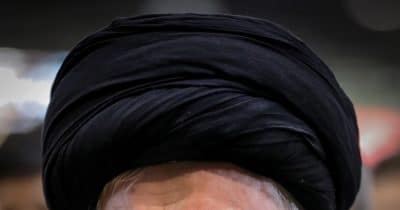
Iran's Supreme Leader has approved a US memorandum of understanding, establishing a 60-day negotiation window that signals potential de-escalation in US-Iran tensions. This development carries significant implications for global oil markets and regional geopolitical stability, with downstream effects on cryptocurrency and broader financial markets.
The approval of a US-Iran memorandum of understanding represents a meaningful shift in one of the world's most volatile geopolitical relationships. The 60-day negotiation window provides both parties a structured opportunity to address outstanding disputes, potentially reducing the risk of sudden military escalation or sanctions escalation that has historically triggered market volatility. This development matters because US-Iran tensions directly influence global crude oil prices, which serve as a key macroeconomic indicator affecting inflation expectations and central bank policy decisions.
Historically, US-Iran relations have swung between confrontation and diplomatic engagement, with periods of heightened tension causing oil price spikes that reverberate through crypto markets. Previous sanctions cycles and military posturing have created uncertainty premiums in energy prices. This memorandum suggests a recalibration toward dialogue rather than confrontation, reducing tail-risk scenarios that traders price into volatile asset classes.
For cryptocurrency and broader financial markets, the implications are nuanced. Lower geopolitical risk typically moderates oil prices, reducing inflation concerns and potentially supporting risk assets. However, the 60-day window creates a defined uncertainty period—markets may price in either successful negotiation or breakdown scenarios. Energy-intensive crypto operations and mining profitability correlate with electricity costs, which track crude oil prices indirectly through broader energy market dynamics.
Investors should monitor whether this negotiation window produces concrete agreements or deteriorates, as either outcome will signal directional momentum for energy prices and macroeconomic risk sentiment. The success or failure of these talks could reshape regional stability calculations that affect global markets through 2024.
- →Iran's Supreme Leader approval opens a 60-day diplomatic window, reducing near-term escalation risks in US-Iran relations.
- →De-escalation signals typically support crude oil price moderation, affecting inflation expectations and broader financial markets.
- →Geopolitical stability improvements generally support risk asset performance, potentially benefiting cryptocurrency markets.
- →The structured negotiation timeline creates a defined uncertainty period that markets will actively price through resolution or breakdown.
- →Crypto operations sensitive to energy costs may benefit from lower oil prices if diplomatic progress holds.