
Iran captures tanker in Gulf of Oman amid US maritime tensions
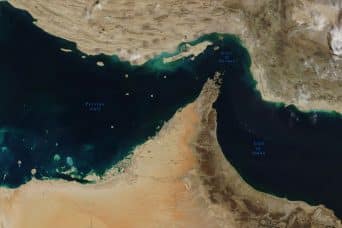
Iran seized a tanker in the Gulf of Oman, escalating US-Iran maritime tensions that threaten to disrupt shipping through the Strait of Hormuz. This geopolitical escalation poses significant risks to global oil markets and cryptocurrency valuations tied to energy prices and macroeconomic stability.
The Iranian capture of a tanker in the Gulf of Oman represents a critical flashpoint in ongoing US-Iran hostilities that extends beyond diplomatic channels into direct maritime confrontation. The Strait of Hormuz serves as a critical chokepoint for global energy flows, with approximately 20% of world oil passing through its waters annually. Disruptions to this corridor create immediate ripple effects across commodity markets, particularly crude oil futures, which correlate inversely with risk appetite in equities and cryptocurrencies.
Historically, US-Iran tensions have cycled through periods of escalation and de-escalation since 2018's withdrawal from the Joint Comprehensive Plan of Action. However, direct seizure of commercial vessels marks a tangible escalation beyond sanctions rhetoric or proxy conflicts. The action signals Iranian willingness to physically challenge US maritime dominance, suggesting either miscalculation or deliberate signaling of resolve.
Crypto markets exhibit pronounced sensitivity to geopolitical risk premiums affecting oil prices and broader macroeconomic conditions. Rising energy costs feed inflation narratives, potentially influencing Federal Reserve monetary policy trajectories that directly impact digital asset valuations. Bitcoin and ethereum historically strengthen during geopolitical crises as safe-haven assets, though this dynamic weakens if oil price spikes trigger stagflation concerns. Additionally, any military escalation between the US and Iran could trigger broader market risk-off sentiment, depressing risk assets across equities, commodities, and cryptocurrencies simultaneously.
Investors should monitor Strait of Hormuz shipping data, oil price movements exceeding $85 per barrel, and diplomatic statements from regional powers. Military escalation beyond tanker seizures would likely trigger more severe crypto volatility and potential demand for alternative assets.
- →Iran's tanker seizure directly threatens Strait of Hormuz shipping, which handles 20% of global oil supplies.
- →Oil price spikes from geopolitical disruption typically reduce cryptocurrency valuations through inflation and risk-off sentiment.
- →Direct maritime confrontation represents escalation beyond previous US-Iran tensions since 2018.
- →Crypto markets react to geopolitical risk premiums affecting macroeconomic conditions and central bank policy.
- →Monitoring shipping delays and oil prices above $85 provides early warning signals for market disruption.