
Iran strikes tanker off Doha as tensions rise in Strait of Hormuz
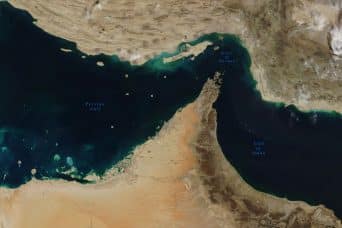
Iran has struck a tanker off Doha amid escalating tensions in the Strait of Hormuz, a critical chokepoint for global energy flows. The incident raises geopolitical risks that could disrupt oil markets and create volatility in risk assets, including cryptocurrency markets sensitive to macroeconomic uncertainty.
The reported Iranian strike on a tanker operating near Doha represents a significant escalation in regional hostilities within one of the world's most strategically vital maritime corridors. The Strait of Hormuz facilitates approximately 20-30% of global oil trade, making any disruption to shipping lanes a matter of international concern. This incident underscores the fragility of energy supply chains and demonstrates how quickly regional conflicts can translate into global economic shocks.
Tensions in the Persian Gulf have fluctuated for years, rooted in U.S.-Iran relations, Saudi-Iranian rivalry, and competing interests over regional influence. Recent years have seen periodic confrontations between Iranian vessels and international shipping, alongside broader sanctions regimes that have constrained Iran's economy. Each escalation carries the risk of triggering broader conflict that could further restrict oil supplies and destabilize regional security architecture.
For cryptocurrency and financial markets, geopolitical crises typically trigger flight-to-safety behavior and increased volatility. Rising oil prices driven by supply concerns can accelerate inflation fears, affecting central bank policy and interest rates—factors that influence crypto valuations. Bitcoin and other risk assets often experience pressure during acute geopolitical episodes as investors reassess portfolio risk. Energy sector disruptions can also impact crypto mining operations reliant on affordable electricity.
Investors should monitor whether the incident triggers broader military escalation or remains isolated. Sustained supply concerns could push crude prices higher, potentially influencing macro conditions that affect crypto markets. The coming days will reveal whether diplomatic channels can de-escalate tensions or whether further confrontations materialize.
- →Iran's strike on a tanker near Doha signals heightened military tensions in the Strait of Hormuz, a critical global energy chokepoint.
- →Disruptions to 20-30% of global oil transit could trigger supply shocks, inflation concerns, and broader macroeconomic volatility.
- →Geopolitical crises typically pressure risk assets including cryptocurrency as investors shift to safer holdings.
- →Energy supply disruptions can raise electricity costs, directly affecting crypto mining operations and profitability.
- →Market participants should monitor diplomatic developments and oil price movements as indicators of escalation or de-escalation risk.