
Iran targets US military ship near territorial waters in Gulf of Oman
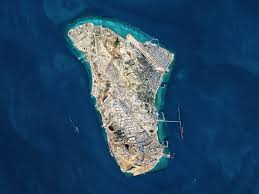
Escalating tensions between the U.S. and Iran in the Gulf of Oman, involving Iranian targeting of a U.S. military vessel, pose risks to regional stability and global markets. The incident underscores broader geopolitical conflicts that can trigger volatility in cryptocurrency and traditional asset markets.
The reported Iranian targeting of a U.S. military ship in the Gulf of Oman represents another flashpoint in a decades-long adversarial relationship. The Gulf of Oman serves as a critical chokepoint for global energy commerce, making military confrontations there inherently significant for international stability. This incident reflects recurring patterns of brinkmanship that have escalated periodically, particularly around U.S. sanctions regimes and Iranian nuclear developments.
Geopolitical tensions historically correlate with cryptocurrency market behavior. During periods of heightened U.S.-Iran conflict, investors typically seek alternative assets and hedges against currency depreciation, driving demand for Bitcoin and other cryptocurrencies perceived as "digital gold." Flight-to-safety dynamics often strengthen assets uncorrelated with traditional equities and fiat currency performance.
For the crypto sector specifically, Middle Eastern geopolitical instability can amplify two competing narratives. First, uncertainty strengthens the bull case for decentralized assets free from government control. Second, risk-off sentiment may trigger broader market liquidations as institutional investors reduce exposure to volatile assets. The immediate market impact depends on whether tensions escalate further or stabilize.
Monitoring developments requires attention to sanctions announcements, military posturing, and energy market responses. Oil price movements particularly signal market expectations about conflict escalation. Investors should track whether this incident triggers broader regional responses or remains contained, as sustained conflict could reshape global energy markets and investor risk appetites significantly.
- →U.S.-Iran military tensions in the Gulf of Oman create geopolitical risk affecting global markets and cryptocurrency volatility
- →The Gulf of Oman's strategic importance for global energy trade amplifies the significance of any military confrontation
- →Cryptocurrency markets historically respond to geopolitical crises through increased demand for perceived safe-haven assets like Bitcoin
- →Oil price movements will serve as a key indicator of market expectations regarding conflict escalation or de-escalation
- →Investors should monitor sanctions developments and military posturing for signals of sustained regional instability