
Iran targets US-flagged ship near Qatar amid Strait of Hormuz tensions
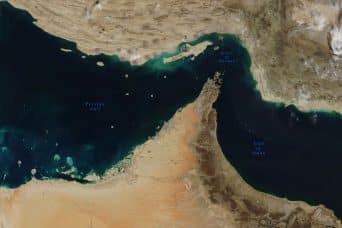
Iran targeted a US-flagged vessel near Qatar in the Strait of Hormuz, escalating regional tensions and threatening critical global oil supply routes. The incident underscores geopolitical volatility that could disrupt energy markets and influence broader macroeconomic conditions affecting cryptocurrency valuations.
The targeting of a US-flagged ship near Qatar represents a significant escalation in Strait of Hormuz tensions, a waterway through which approximately 20-30% of global crude oil passes. This incident reflects deepening US-Iran hostilities and regional instability, with potential consequences extending far beyond the immediate tactical confrontation. The Strait of Hormuz serves as a critical chokepoint for global energy markets, and any disruption to shipping routes triggers immediate commodity price fluctuations and broader economic uncertainty.
Historical context reveals a pattern of escalating maritime incidents in the Persian Gulf, punctuated by periods of relative calm following diplomatic negotiations. Current tensions stem from longstanding sanctions, regional proxy conflicts, and competing geopolitical interests. The incident signals renewed risk of supply chain disruption, following previous incidents that temporarily spiked oil prices and created market volatility.
For cryptocurrency and financial markets, geopolitical crises involving oil supply represent macro headwinds that typically trigger risk-off sentiment. When energy markets face supply uncertainty, investors often pivot toward risk assets like cryptocurrencies for diversification, though initial reactions typically favor safe-haven assets like US Treasury bonds and precious metals. Elevated oil prices driven by supply concerns increase inflation pressures, potentially constraining central bank policy flexibility and affecting overall market conditions.
Investors should monitor shipping incident frequency and severity, official statements from maritime authorities, and oil price movements as leading indicators. Sustained tension in the Strait of Hormuz could reinforce macroeconomic uncertainty that influences crypto market sentiment and volatility patterns.
- →Iran-US maritime tensions in the Strait of Hormuz threaten 20-30% of global crude oil supply
- →Oil supply disruption risks typically trigger macro uncertainty affecting risk asset valuations
- →Regional escalation follows historical patterns of periodic incidents and diplomatic cycles
- →Geopolitical volatility may drive both traditional safe-haven flows and crypto diversification demand
- →Monitoring shipping incidents and oil prices provides early signals for broader market impact