
Red Cross warns of renewed Iran attacks amid airspace closure concerns
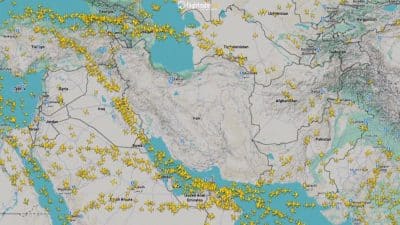
The Red Cross has issued warnings about potential renewed Iranian attacks amid concerns over airspace closures in the region. These escalating tensions threaten diplomatic channels and regional stability, with potential ripple effects on global markets including cryptocurrency and traditional finance.
Geopolitical tensions in the Middle East have historically served as catalysts for market volatility across all asset classes, including cryptocurrencies. When airspace closures occur or military conflicts escalate, investors typically seek safe-haven assets, which has increasingly included Bitcoin and other cryptocurrencies alongside traditional hedges like gold. The Red Cross warning signals a deterioration in regional stability that extends beyond humanitarian concerns into broader economic territory.
The Middle East represents a critical junction for global trade and energy markets. Airspace closures disrupt not only aviation but also psychological confidence in market stability. Previous Iranian tensions, particularly around 2020 when geopolitical risks spiked, demonstrated how regional crises can trigger sudden cryptocurrency price movements as institutional and retail investors reposition portfolios. Diplomatic disruptions specifically undermine confidence in de-escalation narratives that markets had potentially priced in.
For crypto markets, renewed military tensions typically correlate with increased volatility and flight-to-safety behavior. Bitcoin and stablecoins often experience volume spikes during geopolitical crises as traders hedge exposure or seek liquidity. Energy markets face particular pressure, which indirectly impacts mining operations and transaction costs on proof-of-work blockchains. The breakdown of diplomatic efforts removes a stabilizing factor that global markets had been banking on.
Investors should monitor upcoming developments in Iranian-regional relations and any additional airspace closure announcements. Escalation scenarios could trigger sharp volatility, while de-escalation signals could reverse recent risk-off sentiment. The intersection of geopolitical risk and crypto markets remains reactive rather than predictable, requiring close attention to diplomatic channels and official statements from regional authorities.
- →Red Cross warnings of renewed Iran attacks indicate deteriorating regional stability with potential market-wide implications
- →Airspace closures disrupt trade flows and investor confidence, historically triggering cryptocurrency volatility
- →Bitcoin and stablecoins typically see increased demand during geopolitical crises as safe-haven assets
- →Energy market disruptions indirectly affect proof-of-work blockchain economics and mining profitability
- →Diplomatic breakdown removes stabilizing factors that markets had priced in, increasing tail-risk exposure