
Iran warns ships, redirects traffic amid Bab el-Mandeb tensions
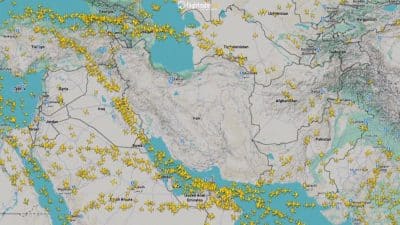
Iran is warning ships and redirecting traffic through the Bab el-Mandeb Strait amid escalating geopolitical tensions in this critical maritime chokepoint. The heightened conflict threatens to disrupt global oil supply chains, potentially creating significant volatility in energy markets and broader economic stability.
The Bab el-Mandeb Strait serves as one of the world's most critical maritime passages, connecting the Red Sea to the Gulf of Aden and facilitating roughly 12% of global trade. Iran's warning to shipping and traffic redirection signals a tangible escalation in regional tensions that extends beyond diplomatic rhetoric. This matters because any sustained disruption to shipping lanes directly impacts energy prices, transportation costs, and global supply chain efficiency.
Geopolitical instability in the Middle East has long served as a price-discovery mechanism for commodities markets. The current tensions build on existing regional rivalries, recent military posturing, and proxy conflicts that have periodically threatened maritime security. Previous incidents in the Strait of Hormuz and surrounding waters have historically triggered oil price spikes and increased volatility across risk assets.
For cryptocurrency and digital asset markets, this development carries macroeconomic implications. Energy price shocks typically correlate with inflation concerns, central bank policy responses, and shifts in risk appetite—all factors that influence crypto valuations. Oil price volatility often precedes broader market adjustments as investors reassess growth expectations and monetary policy trajectories. Bitcoin and other risk assets typically decline during periods of geopolitical uncertainty when investors flee to safe havens like government bonds and currencies.
Market participants should monitor shipping insurance premiums, oil futures pricing, and regional escalation indicators. Any confirmed disruption to tanker traffic or formal closure of maritime routes would trigger immediate market repricing across energy, equities, and digital assets. The coming weeks will clarify whether this represents elevated tensions or a precursor to more severe supply chain disruption.
- →Iran's traffic redirection in Bab el-Mandeb threatens global oil supply and could trigger commodity price spikes
- →Maritime chokepoint disruptions historically create broader market volatility affecting cryptocurrencies and risk assets
- →Oil price movements from geopolitical events directly influence crypto valuations through macro policy channels
- →Shipping insurance costs and tanker utilization rates serve as early indicators of supply chain stress
- →Investors should monitor regional escalation metrics and energy futures as leading indicators for market repricing