
Iran fires warning shots at vessels in Strait of Hormuz, raising tensions
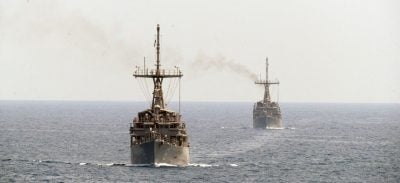
Iran conducted warning shots at vessels transiting the Strait of Hormuz, escalating regional tensions. The incident threatens to disrupt global oil trade, which has direct implications for energy prices, macroeconomic stability, and cryptocurrency market volatility.
The Strait of Hormuz represents one of the world's most critical maritime chokepoints, with approximately 21% of global petroleum passing through its waters daily. Iranian warning shots against commercial vessels signal intensifying geopolitical friction in the Persian Gulf, a region long characterized by strategic competition between Iran and Western powers. This escalation follows a pattern of maritime incidents and reflects broader tensions surrounding Iranian nuclear negotiations and regional influence.
Geopolitical crises affecting energy supplies create cascading effects throughout financial markets. Oil price spikes historically correlate with increased cryptocurrency volatility as investors reassess macroeconomic risk. Bitcoin and other digital assets often experience both flight-to-safety demand and liquidity-driven selloffs during periods of geopolitical uncertainty. Energy price shocks also impact inflation expectations, influencing central bank policy trajectories that directly affect crypto valuations and trading conditions.
For cryptocurrency market participants, Strait of Hormuz tensions warrant monitoring for several reasons. Elevated oil prices increase input costs for blockchain infrastructure and mining operations, particularly those relying on fossil fuel energy. Additionally, geopolitical instability typically increases demand for alternative stores of value and non-correlated assets, potentially supporting cryptocurrency adoption in risk-averse portfolios. However, sharp economic contractions resulting from sustained oil price elevations could trigger risk-off sentiment across all speculative assets.
Market participants should track escalation indicators including additional maritime incidents, official statements from regional powers, and oil price movements above key resistance levels. Sustained tensions exceeding 60-90 days would signal meaningful systemic risk warranting portfolio adjustments.
- →Iran's warning shots at Strait of Hormuz vessels signal escalating geopolitical tensions affecting critical oil trade routes.
- →Disruptions to global oil supplies typically trigger cryptocurrency volatility and reassessment of macroeconomic risk premiums.
- →Energy price spikes increase operational costs for blockchain infrastructure and mining operations worldwide.
- →Geopolitical crises historically boost demand for non-correlated assets like Bitcoin as portfolio hedges.
- →Sustained tensions beyond 60-90 days could create meaningful systemic risk across financial markets including crypto.