
Trump briefed on Iran strike options as Tehran activates air defenses
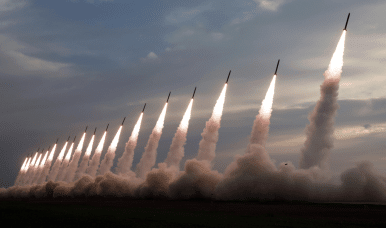
The Trump administration is evaluating military strike options against Iran while Tehran activates air defense systems, signaling escalating geopolitical tensions. This heightened military posture threatens regional stability and could create broader economic disruptions affecting global markets, including cryptocurrency and traditional assets.
The briefing on Iran strike options represents a significant escalation in U.S.-Iran tensions, with both sides demonstrating military readiness. This development occurs within the context of longstanding hostilities between Washington and Tehran, punctuated by cycles of sanctions, proxy conflicts, and periodic military posturing. The activation of Iranian air defenses suggests Tehran views the threat as credible and imminent, creating a volatile situation with unpredictable outcomes.
Geopolitical crises historically trigger flight-to-safety behavior in financial markets. Investors typically reduce exposure to emerging markets and high-risk assets, including cryptocurrencies, while increasing allocations to traditional safe havens like U.S. Treasury bonds and precious metals. Oil markets face particular pressure, as Middle Eastern conflicts threaten global energy supply chains. Higher energy costs ripple through all economic sectors, potentially reducing consumer spending and investment appetite.
For cryptocurrency markets specifically, heightened geopolitical risk creates divergent pressures. Some investors view Bitcoin and digital assets as geopolitical hedges, similar to gold, potentially driving demand during crises. Conversely, risk-off sentiment and reduced leverage in crypto markets could trigger selloffs as traders liquidate positions to cover losses elsewhere. The correlation between crypto and traditional equities typically strengthens during systemic crises, limiting diversification benefits.
Market participants should monitor escalation indicators including official statements from both governments, military deployment reports, and oil price movements. Any military action would likely produce sharp volatility across asset classes within hours. The duration and scope of any conflict would determine whether initial market panic transitions into sustained economic headwinds affecting valuations across cryptocurrency and traditional markets.
- →Geopolitical escalation with Iran creates immediate flight-to-safety dynamics affecting risk assets including cryptocurrencies
- →Middle East conflicts historically trigger oil price spikes, increasing inflation pressures and reducing discretionary spending
- →Bitcoin may function as a geopolitical hedge during crises, though initial market reaction typically remains risk-off
- →Military escalation timelines remain uncertain, making precise market impact predictions difficult for traders and investors
- →Prolonged tensions could reshape broader macroeconomic conditions affecting crypto valuations and adoption trends