
Iran eyes revenge for Soleimani as WHCA Dinner shooting raises security concerns
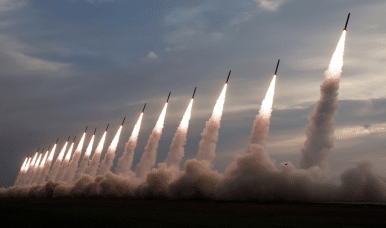
Escalating U.S.-Iran geopolitical tensions, highlighted by security concerns following a shooting incident at the White House Correspondents' Association Dinner, threaten to destabilize global markets. Heightened security vulnerabilities and potential Iranian retaliation could trigger broader conflicts affecting cryptocurrency and traditional asset valuations.
The intersection of geopolitical instability and financial markets creates tangible risks for cryptocurrency investors and traders. When U.S.-Iran tensions escalate, historical patterns show capital flight toward safe-haven assets—traditionally gold and government bonds, but increasingly Bitcoin and Ethereum as institutional adoption grows. Security incidents near high-profile government events signal deteriorating threat landscapes that prompt market-wide risk reassessments.
The historical context of U.S.-Iran conflicts reveals predictable market reactions. Previous escalations, including sanctions regimes and military strikes, correlated with increased volatility across equities, commodities, and digital assets. Iranian retaliation threats specifically trigger uncertainty premiums in markets, as geopolitical risks become quantifiable factors in asset pricing models. The shooting incident amplifies these concerns by exposing vulnerabilities in domestic security infrastructure, potentially cascading into broader confidence issues.
Cryptocurrency markets respond distinctly to geopolitical shocks compared to traditional finance. Bitcoin historically appreciates during periods of heightened geopolitical risk due to its perceived status as a non-sovereign store of value. However, initial volatility often precedes consolidation. Iranian sanctions and asset freezes have previously driven cryptocurrency adoption within affected regions, creating localized demand spikes. U.S. investors may experience portfolio rebalancing toward uncorrelated assets, potentially benefiting crypto allocations.
Monitoring developments requires attention to specific trigger points: escalation rhetoric from Iranian officials, U.S. military posturing, and sanctions announcements. Crypto traders should track Bitcoin correlation with traditional risk assets during periods of heightened tension, as flight-to-safety dynamics may shift unexpectedly. Regulatory responses to geopolitical events warrant close observation, as governments often implement capital controls affecting cryptocurrency markets during crises.
- →U.S.-Iran tensions historically correlate with increased volatility across cryptocurrency and traditional markets
- →Bitcoin and other digital assets may benefit from safe-haven demand during geopolitical crises
- →Security vulnerabilities near government institutions can trigger broader market risk reassessments
- →Iranian sanctions regimes have historically accelerated cryptocurrency adoption in affected regions
- →Traders should monitor official statements and military indicators for early volatility signals