
Iran signals potential threat to Bab el-Mandeb strait amid missile arsenal boost
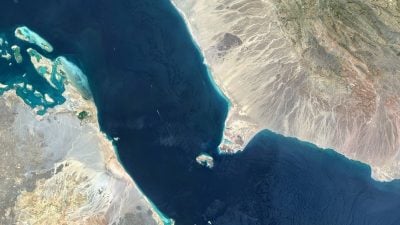
Iran has escalated rhetoric regarding potential threats to the Bab el-Mandeb strait while expanding its missile capabilities, raising concerns about disruptions to critical global shipping lanes. Such geopolitical tensions could destabilize oil markets and international trade, creating volatility that traditionally impacts cryptocurrency and broader financial markets.
Iran's signaled threats to the Bab el-Mandeb strait represent a significant escalation in regional tensions. The strait serves as a crucial chokepoint for global maritime trade, with approximately 12% of world trade flowing through it daily, including substantial oil shipments from the Middle East. When combined with Iran's stated missile arsenal expansion, these threats create tangible supply chain risks that extend far beyond regional politics.
Historically, geopolitical tensions in the Middle East have triggered volatility across energy markets and cryptocurrencies alike. Previous incidents involving strait closures or shipping disruptions have sent oil prices surging, which typically correlates with inflation expectations and central bank policy adjustments. Iran's ballistic missile development has been an ongoing concern since international sanctions relief ended in 2018, but explicit threats to critical trade infrastructure represent a qualitative escalation in rhetoric and perceived capability.
For cryptocurrency markets, geopolitical crises function as macro risk events. Elevated oil prices and inflation concerns drive investors toward hard assets, including Bitcoin and other cryptocurrencies perceived as inflation hedges. Simultaneously, broader market uncertainty can trigger flight-to-safety dynamics that suppress risk asset valuations. Insurance costs for vessels transiting the strait would increase, adding pressure to shipping costs and global inflation metrics.
Investors should monitor whether these threats translate into concrete actions or remain posturing. Any actual interference with shipping would trigger immediate commodity market responses and likely spark broader market volatility across equities, currencies, and digital assets. The intersection of energy security and geopolitical risk remains one of the most consequential macro factors for cryptocurrency valuations.
- →Iran's threats to Bab el-Mandeb strait target a critical chokepoint handling 12% of global maritime trade daily.
- →Geopolitical tensions in the Middle East historically trigger oil price volatility and broad market instability affecting crypto markets.
- →Expanded Iranian missile capabilities lend credibility to threats beyond typical regional posturing.
- →Oil price spikes from supply disruption concerns typically correlate with cryptocurrency volatility and inflation hedging demand.
- →Actual interference with shipping would create immediate commodity and financial market shocks across all asset classes.