
Iran warns of no ‘free security’ in Hormuz if oil exports restricted
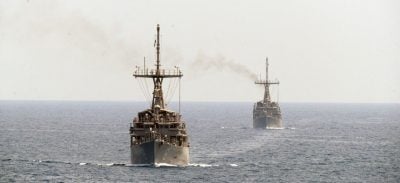
Iran has warned that it will not provide "free security" in the Strait of Hormuz if its oil exports face restrictions, signaling potential escalation of geopolitical tensions. This threat raises concerns about disruption to global oil markets and critical shipping routes that are vital to international energy supply and trade.
Iran's warning represents a significant escalation in regional tensions, leveraging its control over one of the world's most critical energy chokepoints. The Strait of Hormuz facilitates approximately 20-30% of global oil trade, making any disruption a matter of international concern. Iran's statement effectively uses its geographic position as leverage in ongoing disputes over oil export sanctions and economic restrictions imposed by Western nations.
The backdrop for this warning involves years of escalating U.S. sanctions targeting Iran's oil sector, designed to restrict revenue flows to the Iranian government. These measures have severely impacted Iran's economy and oil export capacity. By framing security provision as conditional on oil export freedom, Iran signals willingness to destabilize shipping lanes—a tactic previously employed during regional conflicts.
For cryptocurrency and broader financial markets, geopolitical instability in the Middle East typically triggers flight-to-safety dynamics. Oil price volatility increases uncertainty, often benefiting defensive assets including Bitcoin and other cryptocurrencies perceived as uncorrelated to traditional markets. However, sustained regional conflict could trigger broader economic stress, potentially depressing risk asset valuations.
The near-term outlook depends on whether diplomatic channels can de-escalate tensions or if economic sanctions intensify further. Traders should monitor announcements from major oil-producing nations, shipping insurance premiums in the Hormuz region, and crude oil price movements as leading indicators. Any actual disruption to shipping would create significant volatility across energy, equities, and digital asset markets simultaneously.
- →Iran threatens to withdraw security provision in Strait of Hormuz if oil export restrictions continue, leveraging control of critical global trade route.
- →The Strait of Hormuz handles 20-30% of global seaborne oil trade, making geopolitical instability there a systemic market risk.
- →Escalating Middle East tensions typically drive oil prices higher and increase cryptocurrency appeal as safe-haven assets.
- →Current situation reflects ongoing U.S.-Iran economic conflict over sanctions and nuclear program restrictions.
- →Shipping lane disruptions would create simultaneous volatility across energy, equity, and cryptocurrency markets.