
Iran halts US negotiations over Israeli attacks, threatens to close Strait of Hormuz
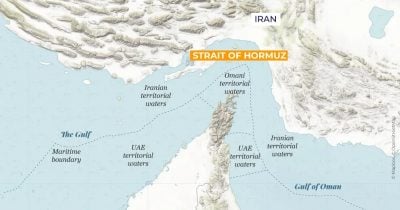
Iran suspended nuclear negotiations with the US following Israeli military strikes and threatened to close the Strait of Hormuz, a critical chokepoint for global oil shipments. This escalation threatens significant disruption to energy markets, which typically triggers volatility in cryptocurrency valuations and investor risk sentiment.
The Iranian threat to blockade the Strait of Hormuz represents a critical escalation in Middle Eastern tensions with direct implications for global energy security. Approximately 20-30% of global crude oil passes through this waterway daily, making any closure scenario a severe supply shock that would ripple across markets. Iran's suspension of US negotiations signals a hardening diplomatic position, suggesting the crisis may persist beyond immediate posturing.
Historically, geopolitical tensions in the Middle East have driven oil prices sharply higher, with previous crises demonstrating the region's outsized influence on energy markets. The correlation between crude oil volatility and cryptocurrency markets has strengthened over recent years, as both assets respond to macroeconomic uncertainty and inflation concerns. Bitcoin and other cryptocurrencies often experience price increases during periods of geopolitical stress, as investors seek inflation hedges and assets outside traditional monetary systems.
A sustained closure of the Strait of Hormuz would trigger unprecedented oil price increases, likely exceeding $150 per barrel within days. Such energy inflation would elevate macro uncertainty, potentially accelerating cryptocurrency adoption as an alternative store of value while simultaneously depressing risk assets through broader economic contraction fears. The psychological impact on markets may prove as significant as actual supply disruption.
Investors should monitor three developments: escalation timelines, actual Iranian military action toward shipping, and official responses from major oil-consuming nations including the US and China. Any confirmed blockade would represent a market-moving event exceeding normal geopolitical noise, warranting portfolio reassessment across traditional and digital asset allocations.
- →Iran threatened to close the Strait of Hormuz, a critical waterway for 20-30% of global oil trade, in response to Israeli attacks and halted US nuclear negotiations.
- →Strait of Hormuz disruptions historically trigger sharp crude oil price spikes that correlate with cryptocurrency market volatility and investor risk-off behavior.
- →Sustained energy supply shocks from a Middle East crisis typically drive Bitcoin and other cryptocurrencies higher as inflation hedges while pressuring broader equity markets.
- →The diplomatic breakdown signals potential for prolonged tension rather than quick resolution, increasing the probability of actual economic disruption.
- →Cryptocurrency investors should treat this as a macro indicator requiring active portfolio monitoring given the demonstrated correlation between oil shocks and digital asset valuations.