
Iran tightens control over Strait of Hormuz with new maritime system
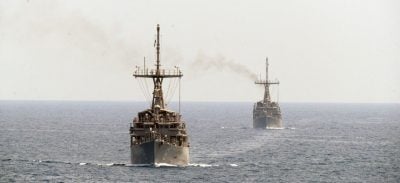
Iran has implemented a new maritime control system in the Strait of Hormuz, a critical chokepoint through which approximately 20% of global oil passes daily. This development escalates geopolitical tensions and poses risks to international trade flows, with potential implications for commodity prices and macroeconomic stability that could ripple through crypto and financial markets.
Iran's deployment of an enhanced maritime surveillance and control system in the Strait of Hormuz represents a significant escalation in regional assertiveness. The strait remains one of the world's most strategically important waterways, with roughly one-fifth of global petroleum trade transiting through its narrow channels. Tighter Iranian control introduces new variables into an already volatile geopolitical equation, creating uncertainty about freedom of navigation and shipping reliability.
This action follows decades of tension between Iran and Western powers, particularly the United States. Previous incidents—including oil tanker seizures, drone shootdowns, and naval confrontations—have established a pattern of Iranian pressure during periods of international sanctions or diplomatic isolation. The new maritime system appears designed to project power and extract leverage in ongoing negotiations, while also strengthening Iran's defensive posture against potential military action.
For financial markets, heightened Strait of Hormuz tensions traditionally correlate with oil price spikes, which cascade through inflation expectations and macroeconomic forecasts. Bitcoin and risk assets often underperform during acute geopolitical crises as investors flee to safe havens like US treasuries. Sustained tensions could maintain elevated energy costs, potentially fueling inflation concerns that keep central banks hawkish and suppress growth-sensitive assets including cryptocurrencies.
Market participants should monitor shipping incident reports, oil price movements, and diplomatic communications for signals of escalation or de-escalation. Any actual disruption to crude oil flows would immediately spike energy prices and likely trigger broader financial market volatility, including crypto liquidations as leveraged positions unwind amid risk-off sentiment.
- →Iran's new maritime control system in the Strait of Hormuz increases geopolitical risk in a critical global oil shipping corridor.
- →Approximately 20% of worldwide petroleum trade depends on unimpeded passage through the strait, making disruptions economically consequential.
- →Historical precedent suggests Iranian actions often correlate with oil price increases and risk-asset selloffs including cryptocurrencies.
- →Sustained tensions could maintain elevated inflation expectations, keeping central banks restrictive and pressuring growth-dependent assets.
- →Traders should monitor shipping reports and crude prices as leading indicators of escalation or de-escalation in the region.