
Iran opens Strait of Hormuz to toll-paying ships, hinting at partial de-escalation
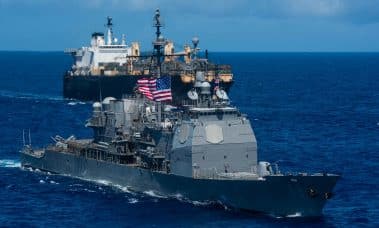
Iran has implemented a toll-based system for ships transiting the Strait of Hormuz, signaling a potential easing of regional tensions. While the move suggests diplomatic flexibility, the lack of formal guarantees leaves traders and investors cautious about sustained stability in this geopolitically sensitive shipping corridor.
Iran's toll initiative represents a pragmatic shift in its approach to controlling the Strait of Hormuz, one of the world's most critical energy chokepoints. Rather than imposing outright blockades or aggressive restrictions, the Iranian government has opted for a revenue-generating mechanism that permits passage for compliant vessels. This approach balances Iran's strategic interests with the practical necessity of maintaining some level of international commerce through the strait.
The Strait of Hormuz handles approximately one-third of global maritime petroleum trade, making it essential to energy markets and, by extension, cryptocurrency mining operations that rely on stable energy prices. Previous tensions in this region—including naval standoffs and sanctions regimes—have triggered volatility in oil markets and broader macroeconomic uncertainty that ripples through digital asset valuations. Iran's willingness to monetize transit rather than restrict it suggests a recalibration of escalation dynamics, though this remains a fragile arrangement dependent on political circumstances.
For cryptocurrency markets, reduced geopolitical risk in energy supply chains translates to more predictable oil prices and potentially lower inflation expectations. This could moderate central bank policy uncertainty, a key variable affecting risk asset valuations. Crypto traders sensitive to macro conditions may interpret this as a modestly positive signal. However, the article's emphasis on cautious sentiment reflects legitimate concerns about durability—toll systems can be altered or revoked quickly as political conditions shift.
Investors should monitor whether Iran enforces consistent toll collection and whether major shipping insurers and traders normalize operations through the strait. Sustained normalization would reduce a significant geopolitical risk premium currently embedded in energy markets and traditional finance, with indirect benefits for crypto asset prices sensitive to broader macroeconomic conditions.
- →Iran's toll system offers a revenue mechanism while allowing maritime transit, suggesting tactical de-escalation rather than confrontation.
- →The Strait of Hormuz handles one-third of global maritime oil trade, making geopolitical shifts there consequential for energy prices and macro conditions.
- →Reduced geopolitical risk in energy markets could stabilize oil prices and moderate inflation expectations, indirectly benefiting risk assets like cryptocurrencies.
- →Traders remain cautious because toll systems lack formal guarantees and can be altered by political shifts without warning.
- →Normalization of shipping through the strait would reduce a geopolitical risk premium currently embedded in broader financial markets.