
Iran’s control over Hormuz may prompt UK warship deployment by April 30
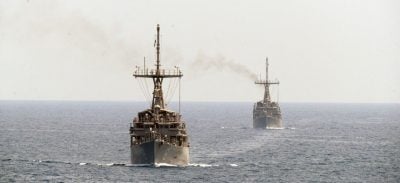
Escalating tensions between Iran and the UK over control of the Strait of Hormuz may trigger British military intervention by April 30. The geopolitical conflict threatens global trade flows through one of the world's most critical maritime chokepoints, with potential implications for energy prices and market stability.
The Strait of Hormuz represents a critical vulnerability in global energy infrastructure, with approximately one-third of seaborne oil transiting through its narrow passage. Heightened Iranian control or aggressive posturing in the region creates immediate risks for energy supply chains and introduces currency volatility into markets already sensitive to geopolitical shocks. A UK warship deployment would signal escalating military presence, potentially triggering tit-for-tat responses that could destabilize one of the world's most strategically important waterways.
Historically, tensions in the Strait have correlated with crude oil price spikes and broader market risk-off sentiment. Previous incidents, including tanker seizures and drone confrontations, demonstrated Iran's willingness to leverage its geographic position as a negotiating tool. The prospect of formal UK military intervention suggests diplomatic channels may be deteriorating, moving the situation toward a more dangerous equilibrium.
For cryptocurrency and broader financial markets, geopolitical instability typically triggers flight-to-safety asset reallocation. Bitcoin and gold historically appreciate during periods of uncertainty, while risk assets face headwinds. Energy-intensive sectors, including crypto mining operations, face potential margin compression if crude prices surge due to supply concerns. Oil volatility directly impacts global inflation expectations and central bank policy paths, which cascade through crypto valuations.
Market participants should monitor the April 30 deadline closely and track any official UK military movement announcements. Escalation beyond symbolic deployments could trigger significant energy price movements and shift crypto market dynamics toward risk-off positioning.
- →UK warship deployment by April 30 would signal military escalation in a critical global energy chokepoint
- →Strait of Hormuz tensions historically correlate with crude oil price volatility and market risk-off sentiment
- →Geopolitical uncertainty typically drives capital flows toward safe-haven assets like Bitcoin and gold
- →Energy price spikes directly impact crypto mining profitability and operational margins
- →Diplomatic deterioration suggests the situation may be moving beyond negotiation toward military confrontation