
Iran warns Gulf states of infrastructure strikes unless they expel US forces, pushing Bitcoin into geopolitical spotlight
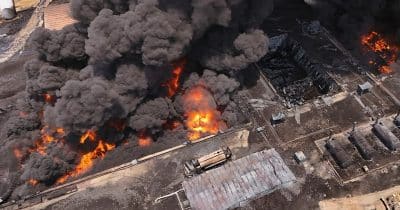
Iran has issued an ultimatum to Gulf states demanding they expel US military forces or face infrastructure strikes, creating geopolitical tensions that could destabilize energy markets and increase demand for Bitcoin as a hedge against sanctions and currency controls. The threat elevates cryptocurrency's role in international finance during periods of regional conflict and economic uncertainty.
Iran's ultimatum represents a significant escalation in Middle Eastern tensions with direct implications for global energy security and financial systems. The threat targets Gulf infrastructure while conditioning de-escalation on the removal of US military presence, creating a high-stakes standoff that could trigger military conflict or sustained economic disruption. This geopolitical pressure point historically correlates with increased cryptocurrency adoption in sanctioned or threatened regions seeking alternative payment rails beyond traditional banking networks.
The backdrop involves decades of US-Iran antagonism, regional proxy conflicts, and competing spheres of influence throughout the Gulf. Recent years have seen Iran face successive waves of international sanctions, pushing the nation toward blockchain-based financial infrastructure and cryptocurrency as workarounds for SWIFT exclusion. Bitcoin and other cryptocurrencies have emerged as tools for circumventing sanctions, enabling cross-border transactions when traditional channels face restrictions.
Market implications extend beyond Iran itself. Energy market instability—whether through actual strikes or sustained threat levels—creates macroeconomic uncertainty that traditionally strengthens Bitcoin's appeal as a non-correlated asset and inflation hedge. Investors monitoring oil price volatility and geopolitical risk premiums increasingly view cryptocurrency exposure as portfolio insurance. Traders in the region may accelerate adoption of decentralized finance alternatives and peer-to-peer payment systems to protect assets from potential banking disruptions.
The coming weeks warrant attention to both military developments and cryptocurrency transaction flows in the region. Significant escalation could trigger broader Middle East conflict, energy price spikes, and sustained demand for alternative financial assets. Market participants should monitor OPEC announcements, regional military movements, and on-chain activity in Iranian-linked wallets for signals of capital flight or sanction circumvention.
- →Iran's infrastructure threat targeting Gulf states creates geopolitical risk premium favoring alternative assets like Bitcoin.
- →Cryptocurrency adoption accelerates in regions facing sanctions or economic instability as workaround to traditional financial restrictions.
- →Energy market disruption from Middle East tensions historically correlates with increased crypto portfolio hedging.
- →Decentralized finance infrastructure becomes more strategically important during periods of potential banking system disruption.
- →On-chain transaction analysis and Iranian wallet movements provide early signals of capital flight or economic stress.