
Iran and US exchange air strikes near Strait of Hormuz, escalating conflict
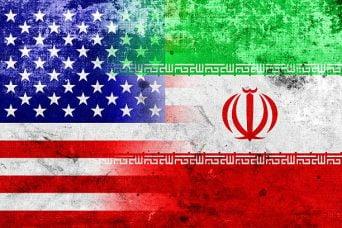
Iran and the US engaged in air strikes near the Strait of Hormuz, marking a significant military escalation that threatens regional stability. This conflict risks disrupting global energy markets and could have cascading effects on macroeconomic conditions that influence cryptocurrency valuations.
The military exchange between Iran and the United States near the Strait of Hormuz represents a critical escalation in an already volatile geopolitical region. The Strait of Hormuz serves as one of the world's most critical energy chokepoints, with approximately 20-30% of global oil passing through its waters daily. Any sustained disruption to shipping lanes or energy infrastructure in this area creates immediate upward pressure on crude oil prices, which historically correlates with broader inflation expectations and risk sentiment in financial markets.
This escalation emerges from decades of US-Iran tensions, including the 2015 nuclear deal withdrawal, sanctions regimes, and proxy conflicts throughout the Middle East. The direct military engagement marks a shift from indirect confrontation to more overt hostility, signaling diminished diplomatic channels and increased miscalculation risk. Regional actors including Saudi Arabia, UAE, and Israel monitor developments closely, as any widening conflict could trigger broader coalition involvement.
For cryptocurrency and digital asset markets, geopolitical crises typically trigger flight-to-safety dynamics where traditional risk assets decline while defensive positioning increases. Oil price spikes create macro headwinds that central banks may address through tighter monetary policy, indirectly pressuring risk assets including cryptocurrencies. Energy price inflation also compounds existing economic pressures, potentially accelerating stagflationary concerns that have periodically gripped markets.
Investors should monitor whether this escalation triggers sustained energy price increases or if diplomatic channels stabilize tensions quickly. Supply chain disruptions, insurance cost increases for shipping, and potential sanctions expansion would extend economic impact beyond energy markets into broader inflation dynamics.
- →Direct military escalation near Strait of Hormuz threatens critical global oil supply routes affecting energy prices and macroeconomic conditions.
- →Regional instability increases geopolitical risk premium, typically triggering flight-to-safety dynamics across risk assets including cryptocurrencies.
- →Oil price spikes from supply concerns could accelerate stagflationary pressures and influence central bank monetary policy decisions.
- →Cryptocurrency markets may experience downside pressure if escalation drives risk-off sentiment and reduces appetite for volatile assets.
- →Sustained conflict could expand sanctions regimes and disrupt global supply chains beyond energy, creating broader economic headwinds.