
Iran, US negotiate 60-day ceasefire extension, Strait of Hormuz reopening
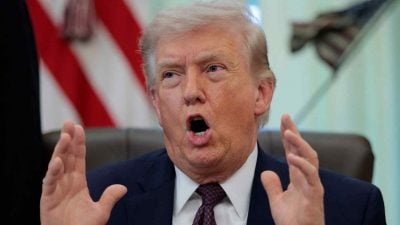
Iran and the US are negotiating a 60-day ceasefire extension with potential reopening of the Strait of Hormuz, a critical global oil chokepoint. This diplomatic development could reduce regional tensions and stabilize energy markets, which have significant ripple effects on cryptocurrency valuations and macroeconomic conditions.
The negotiation of a 60-day ceasefire extension between Iran and the US represents a meaningful shift in regional geopolitics with outsized implications for global energy markets. The Strait of Hormuz, through which approximately 21% of globally traded petroleum passes, remains one of the world's most strategically important waterways. Any disruption to its operations sends shockwaves through commodity prices and broader macroeconomic stability. This ceasefire extension signals de-escalation rather than confrontation, potentially reducing the geopolitical risk premium that has inflated oil prices in recent years.
Historically, tensions between Iran and the US have created volatility in energy markets, which inversely correlates with risk appetite in cryptocurrency markets. Previous escalations triggered flight-to-safety dynamics, benefiting Bitcoin and other digital assets as investors hedged against inflation and currency devaluation. Conversely, successful diplomatic resolutions typically lead to risk-on sentiment, where investors rotate capital toward traditional equities and away from safe-haven assets like crypto.
If the Strait of Hormuz reopens seamlessly, stabilized oil supplies could moderate inflation expectations, potentially reducing the deflationary pressure that has supported crypto valuations during periods of geopolitical crisis. Lower energy costs translate to reduced input costs for data centers powering blockchain infrastructure and AI systems, though this benefit remains marginal compared to macro effects. The broader implication centers on macroeconomic stability—lower energy volatility supports fiat currency confidence and reduces the urgency for alternative stores of value.
Investors should monitor whether this ceasefire holds beyond 60 days and whether actual Strait reopening occurs. Sustained diplomatic progress could shift markets away from risk hedging, potentially creating headwinds for cryptocurrencies positioned as geopolitical insurance.
- →Ceasefire extension and potential Strait of Hormuz reopening could stabilize global oil markets and reduce geopolitical risk premiums
- →Lower energy costs may reduce inflation expectations, potentially weakening safe-haven demand for cryptocurrencies
- →Successful diplomatic resolution typically triggers risk-on sentiment, rotating capital toward traditional assets away from crypto
- →Blockchain infrastructure and AI systems benefit from reduced energy volatility, though macro effects dominate crypto valuations
- →Monitor ceasefire durability beyond 60 days as indicator of sustained de-escalation and market direction