
Iran-US ceasefire talks near completion, need extension: Turkey’s FM
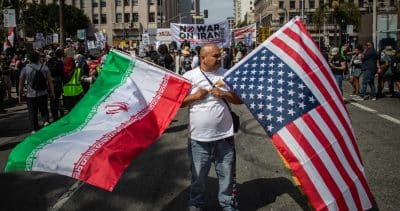
Turkey's Foreign Minister indicates that Iran-US ceasefire negotiations are progressing toward completion but will require an extension to finalize terms. The talks underscore the complexity of US-Iran diplomatic relations and their potential consequences for regional geopolitical stability.
The Iran-US ceasefire negotiations represent a critical diplomatic moment with significant implications for global markets and investor sentiment. Turkey's involvement as a mediator signals the multilateral nature of these discussions, suggesting that regional powers are actively invested in de-escalation efforts. The need for an extension indicates that while substantive progress has been made, fundamental disagreements remain unresolved on key issues affecting both nations' strategic interests.
Historically, US-Iran tensions have followed cyclical patterns—from the 2015 nuclear deal through successive administrations with conflicting policies, to the current negotiation phase. This ceasefire represents a potential pivot away from the confrontational approach that characterized recent years. Turkey's diplomatic role reflects Ankara's strategic position as a bridge between Middle Eastern and Western interests, positioning it as a crucial player in achieving lasting agreements.
Geopolitical instability in the Middle East directly influences cryptocurrency and traditional financial markets through oil price volatility and risk-asset flight. Investors monitor Iran-US relations closely because escalations typically trigger risk-off sentiment, weakening speculative assets like cryptocurrencies while strengthening safe havens like gold and US Treasury bonds. A successful ceasefire extension could stabilize regional oil markets and reduce geopolitical premiums embedded in energy prices, potentially supporting risk-on sentiment across digital assets.
Market participants should track the extension negotiations' timeline and any announcements regarding sanctions relief, as these mechanisms directly impact capital flows and trading volumes. The diplomatic trajectory over the coming weeks will likely influence medium-term market positioning for both traditional and crypto investors exposure to geopolitical risk.
- →Iran-US ceasefire talks are progressing but require additional time to reach final agreement
- →Turkey's mediation role demonstrates regional consensus on diplomatic de-escalation
- →Successful negotiations could reduce geopolitical risk premiums affecting oil and crypto markets
- →Unresolved core issues remain despite reported progress in discussions
- →Market sentiment toward risk assets depends on ceasefire extension outcomes and potential sanctions policy changes