
Oil prices surge over 2% as Iran and US trade air strikes, sending shockwaves through crypto markets
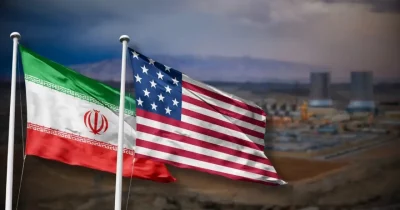
Escalating military tensions between Iran and the US have triggered a 2% surge in oil prices, creating ripple effects across cryptocurrency and global financial markets. The geopolitical crisis exposes systemic vulnerabilities in traditional markets while simultaneously driving renewed interest toward decentralized finance alternatives.
The Iran-US military escalation represents a critical juncture where geopolitical risk directly translates into market volatility. Oil price spikes of this magnitude typically precede broader economic uncertainty, as energy costs permeate supply chains and influence inflation expectations. This particular incident demonstrates how localized conflicts can rapidly destabilize interconnected global markets, a reality that investors across all asset classes must contend with.
Historically, geopolitical tensions have served as catalysts for cryptocurrency adoption. During periods of elevated macroeconomic uncertainty—whether from sanctions, currency devaluation, or political instability—crypto markets often experience increased inflows as investors seek alternatives to traditional financial infrastructure. The Iran-US dynamic carries specific resonance since Iran has previously explored cryptocurrency as a sanctions-evasion tool, and such tensions typically correlate with heightened interest in cross-border payment solutions.
The crypto market's response to this oil surge reflects broader risk-on and risk-off dynamics. Bitcoin and major altcoins often move inversely to traditional safe havens like treasuries and the US dollar during geopolitical events, though the relationship remains complex. The decentralized finance sector stands to benefit from perceptions that centralized markets are vulnerable to macroeconomic shocks beyond individual control.
Looking ahead, sustained tension could reshape energy markets and trigger policy responses that affect crypto regulation or institutional adoption. Traders should monitor escalation patterns and corresponding oil futures movements, as further geopolitical deterioration may force portfolio reallocation toward assets perceived as geopolitically neutral or immune to specific regional conflicts.
- →Oil prices surged 2% due to Iran-US military escalation, signaling elevated geopolitical risk
- →Geopolitical crises historically drive cryptocurrency adoption as investors seek alternatives to traditional markets
- →Energy cost increases from oil price spikes can trigger broader inflation expectations and portfolio rebalancing
- →Decentralized finance platforms may see increased interest as investors question centralized financial infrastructure stability
- →Traders should monitor escalation patterns and policy responses that could affect crypto regulation and institutional flows