
Iran, US agree to end hostilities, reopen Strait of Hormuz
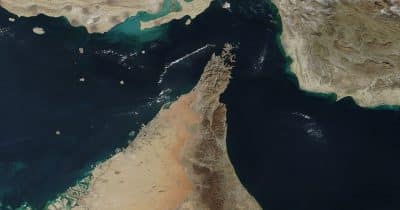
Iran and the United States have agreed to end hostilities and reopen the Strait of Hormuz, a critical waterway for global oil transport. The agreement's success depends on sustained compliance and effective implementation, with significant implications for global energy markets and regional geopolitical stability.
This agreement represents a major shift in US-Iran relations after years of escalating tensions. The reopening of the Strait of Hormuz carries outsized importance for global markets because roughly 21% of world petroleum passes through this chokepoint daily. Any disruption to shipping lanes in this region has historically triggered oil price volatility, which cascades through energy-dependent sectors and macroeconomic indicators.
The geopolitical backdrop includes decades of sanctions, proxy conflicts, and military posturing that have kept regional tensions elevated. Previous incidents—including drone attacks, tanker seizures, and missile strikes—demonstrated how quickly disputes in the Persian Gulf can destabilize global energy supplies. This agreement suggests a willingness from both parties to deprioritize military escalation in favor of diplomatic channels.
For cryptocurrency and digital asset markets, geopolitical stability typically reduces risk-off sentiment and volatility. Oil price stability removes a major macro uncertainty that often drives investors toward safe-haven assets like Bitcoin. A more stable Middle East could reduce energy cost pressures globally, potentially easing inflationary concerns that central banks have been fighting.
The near-term critical factor is compliance verification. Both parties must maintain communication channels and demonstrate concrete de-escalation through reduced military posturing. Watch for OPEC+ production decisions, which could signal confidence in sustained regional stability. Failure to maintain the agreement would likely trigger sharp oil price spikes and renewed crypto volatility, making ongoing diplomatic progress the primary indicator to monitor.
- →Iran-US agreement to end hostilities removes geopolitical risk premium from global oil markets
- →Strait of Hormuz reopening stabilizes energy supplies critical to 21% of world petroleum transport
- →Sustained compliance over months will determine actual market impact versus temporary price relief
- →Reduced energy cost uncertainty could ease inflation concerns affecting crypto valuations
- →Agreement failure would trigger sharp oil volatility and renewed flight-to-safety in digital assets