
Iran claims draft deal with US to reopen Hormuz shipping and end naval blockade
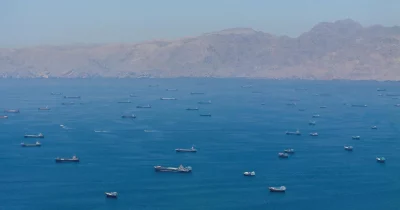
Iran and the US are negotiating a draft deal to reopen the Strait of Hormuz and end naval blockades, potentially stabilizing global oil markets. The agreement's viability depends on progress in broader nuclear negotiations between the parties.
Iran's announcement of a draft deal with the US regarding Strait of Hormuz shipping represents a significant geopolitical development with direct implications for global energy markets and cryptocurrency volatility. The Strait of Hormuz serves as a critical chokepoint for approximately 21% of global petroleum transit, making any disruption a macroeconomic concern that ripples across asset classes. A reopening would reduce supply-side uncertainty that has historically spiked oil prices and contributed to inflation fears affecting broader markets, including cryptocurrencies.
The historical context reveals a pattern of escalating tensions between Iran and the US, punctuated by sanctions, naval posturing, and shipping incidents. Recent years have seen multiple instances of tanker seizures and military confrontations in the region. This draft deal suggests a potential de-escalation after prolonged hostilities, though its fragility depends on concurrent nuclear negotiations—a notoriously complex diplomatic process.
For cryptocurrency and traditional markets, successful resolution would likely reduce a significant geopolitical risk premium currently embedded in oil prices and broader macroeconomic expectations. Lower energy costs could ease inflation pressures, potentially influencing Federal Reserve policy decisions that directly impact risk asset valuations. Conversely, failed negotiations would reinforce supply-side concerns and sustain volatility.
Investors should monitor nuclear negotiation progress as the true indicator of deal durability. Any statements from either party regarding nuclear program constraints or sanction relief will signal commitment levels. Market reactions typically precede formal announcements, so oil price movements and USD strength serve as leading indicators of deal momentum.
- →Draft deal addresses Hormuz shipping blockade, affecting 21% of global petroleum transit and macroeconomic stability
- →Agreement success depends on parallel nuclear negotiations, creating execution risk
- →Oil price stabilization would reduce inflation expectations and influence cryptocurrency market valuations
- →Geopolitical risk premium embedded in energy markets could compress significantly upon confirmation
- →Monitor nuclear negotiation statements and oil price movements as deal durability indicators