
Iranian forces target US vessel in Hormuz standoff, Bitcoin retreats
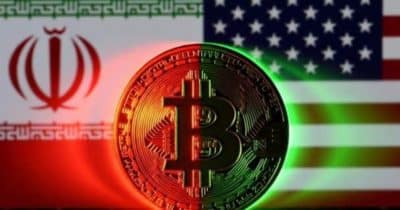
Escalating tensions between Iranian and US forces in the Strait of Hormuz are creating geopolitical uncertainty that ripples through global financial markets, including cryptocurrency. Bitcoin and other digital assets are experiencing volatility as investors reassess risk exposure amid potential disruptions to energy supplies and international commerce.
The Strait of Hormuz confrontation represents a critical juncture in Middle Eastern geopolitics with immediate implications for global energy markets and financial stability. Through this chokepoint flows approximately one-third of global seaborne oil trade, making any military escalation a systemic risk factor. The incident demonstrates how regional conflicts can bypass traditional economic channels and directly impact asset prices across all markets, including cryptocurrencies that increasingly function as alternative value stores during crises.
This confrontation builds on a longer pattern of US-Iran tensions that intensified following the 2018 withdrawal from the Joint Comprehensive Plan of Action. Previous incidents in the Strait have historically triggered oil price spikes and broader market volatility. Cryptocurrency markets have evolved to respond to geopolitical shocks similarly to traditional safe-haven assets, with Bitcoin often benefiting from flight-to-quality dynamics during periods of elevated uncertainty. The current pullback in Bitcoin prices suggests investors are currently favoring liquidly accessible assets or hedging rather than rotating into crypto.
Market participants face a dual challenge: potential energy price inflation from supply disruptions and concurrent risk-off sentiment that can suppress speculative positions including cryptocurrency holdings. The volatility environment creates both hedging needs and trading opportunities for sophisticated investors. Short-term, sustained tensions could accelerate institutional adoption of crypto as portfolio diversification, while prolonged conflict might dampen risk appetite across all asset classes. Traders should monitor oil futures, currency markets, and geopolitical developments as leading indicators for sustained crypto volatility patterns.
- →Iranian-US tensions in Hormuz directly impact global oil supplies, triggering cascading effects across financial markets including crypto
- →Bitcoin currently retreating suggests risk-off positioning dominates over traditional safe-haven demand for digital assets
- →One-third of global seaborne oil trade passes through Hormuz, making any escalation a systemic economic risk factor
- →Cryptocurrency volatility spikes correlate with geopolitical uncertainty as investors reassess broader macro exposure
- →Sustained tensions could eventually drive institutional crypto adoption as portfolio diversification against currency and inflation risks