
Trump claims Iran forcing ships toward US, tensions rise
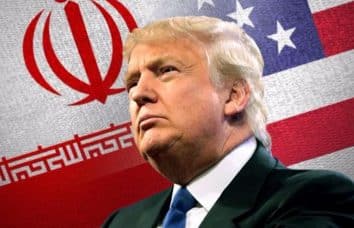
Trump alleges Iran is forcing ships toward US waters, escalating geopolitical tensions in a critical maritime region. The dispute threatens diplomatic resolution and poses risks to global oil markets and regional stability, with potential spillover effects on commodity prices and broader economic sentiment.
The alleged Iranian maritime actions represent a significant escalation in US-Iran tensions, a conflict that has repeatedly influenced global energy markets and investor sentiment toward risk assets. Trump's claims, whether substantiated or rhetorical, signal hardening positions that complicate existing diplomatic channels and increase the likelihood of further confrontation. Historically, US-Iran maritime disputes correlate with oil price volatility, as the Persian Gulf remains critical infrastructure for global energy supply—approximately 21% of global petroleum passes through the Strait of Hormuz annually.
This incident follows a pattern of tit-for-tat escalations between the two nations, rooted in the 2018 US withdrawal from the Iran nuclear deal and subsequent sanctions. Each escalation raises investor anxiety about supply disruptions, pushing crude prices higher and strengthening demand for defensive assets including precious metals and cryptocurrencies as geopolitical hedges.
For crypto markets, geopolitical crises traditionally increase volatility and can trigger flight-to-alternative-assets behavior, particularly in regions subject to sanctions or capital controls. Bitcoin and stablecoins serve as hedging instruments during periods of currency instability or banking restrictions. Oil price spikes, conversely, can pressure equity markets and increase correlation between crypto and traditional risk assets, reducing diversification benefits.
Investors should monitor escalation indicators including military movements, shipping reports, and official diplomatic statements. A sustained period of elevated tensions could support oil futures and defensive cryptocurrencies, while any breakthrough in negotiations might trigger profit-taking across both commodities and crypto markets.
- →US-Iran maritime tensions threaten global oil supply stability, with 21% of petroleum flowing through the Strait of Hormuz.
- →Geopolitical crises historically increase cryptocurrency volatility and demand as alternative hedging assets amid traditional market uncertainty.
- →Oil price spikes from regional conflicts can strengthen correlation between crypto and equities, reducing portfolio diversification.
- →Escalating tensions complicate diplomatic resolution pathways, extending the period of elevated geopolitical risk premium.
- →Crypto markets show defensive behavior during sanctions regimes, making this conflict relevant for regulatory and capital control dynamics.