
Iran strikes US regional bases with missiles and drones, hitting 70% of targets
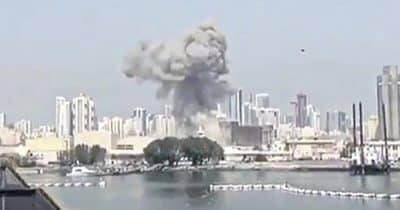
Iran conducted a significant military strike on US regional bases using missiles and drones, achieving a 70% target hit rate. This escalation in US-Iran tensions introduces substantial geopolitical risk that destabilizes global financial markets, including cryptocurrency markets sensitive to macroeconomic uncertainty and risk-off sentiment.
The Iranian military strike represents a major escalation in Middle East tensions with immediate implications for global financial stability. Direct military action between regional powers and the US typically triggers flight-to-safety behavior across asset classes, as investors reassess geopolitical risk premiums. Cryptocurrency markets, despite their decentralized nature, remain correlated with traditional markets during periods of acute geopolitical stress, as institutional investors and leveraged traders reduce exposure across all risk assets simultaneously.
This conflict stems from years of escalating US-Iran tensions, punctuated by sanctions, proxy conflicts, and periodic military posturing. The 70% strike accuracy suggests Iran possesses more sophisticated military capabilities than previously assumed, raising the probability of further retaliation cycles and extended regional instability. Historical precedent shows that Middle East military conflicts can disrupt oil supplies, trigger inflation concerns, and prompt central banks to adjust monetary policy—all factors indirectly affecting cryptocurrency valuations.
Market participants face increased volatility across energy, equities, and digital assets. Bitcoin and other cryptocurrencies often experience sell-offs during geopolitical crises as traders liquidate positions to reduce leverage and raise cash reserves. The risk premium for holding volatile assets increases when real-world uncertainty spikes. Investors with exposure to Middle East-sensitive stocks or commodities may reallocate to perceived safer havens, potentially including cryptocurrencies' censorship-resistant properties, though this flight-to-safety dynamic typically favors traditional safe havens like US Treasuries and gold initially.
Monitoring escalation trajectories, US policy responses, and oil price movements remains critical for assessing downstream crypto market impact.
- →Iran's successful 70% strike accuracy demonstrates military capabilities that could trigger prolonged regional instability and geopolitical risk premiums.
- →Geopolitical crises typically correlate with cryptocurrency sell-offs as leveraged traders liquidate positions and investors seek traditional safe havens.
- →Middle East conflicts can disrupt energy supplies and create inflation concerns, indirectly pressuring crypto valuations through macroeconomic channels.
- →Short-term volatility across risk assets is likely as markets reassess geopolitical risk, particularly in energy-dependent sectors.
- →Watch for US government response, oil price movements, and central bank statements as key indicators of broader market impact.