
Iran conflict escalates as US and allies strike, ceasefire extension unlikely
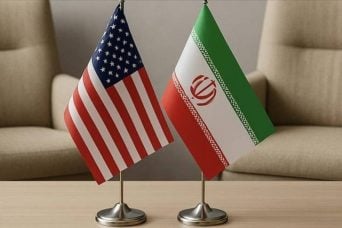
Escalating military tensions between Iran and the US-led coalition threaten regional stability in the Gulf, with diplomatic pathways deteriorating and ceasefire prospects fading. This geopolitical crisis poses significant risks to global energy supplies and trade routes, creating market volatility across commodities and risk assets including cryptocurrency.
The deterioration of diplomatic relations and intensification of military operations in the Middle East represent a critical juncture for global economic stability. Direct military strikes by the US and allied forces, coupled with explicit statements dismissing ceasefire possibilities, signal a shift toward prolonged confrontation rather than de-escalation. This represents a fundamental shift from previous cycles of tension-and-negotiation that characterized Iran-US relations over the past decade.
Historically, Middle Eastern conflicts have triggered commodity price spikes, particularly crude oil, which typically strengthens during uncertainty and supply disruption fears. The Strait of Hormuz, through which approximately 20% of global petroleum transits, faces renewed risk of disruption. Previous regional conflicts in 2019 and 2020 demonstrated how geopolitical shocks propagate through financial markets, affecting risk sentiment across equities, bonds, and alternative assets.
Crypto markets typically respond to geopolitical escalation through increased volatility and capital rotation toward store-of-value narratives. Bitcoin and other digital assets often benefit during periods of macro uncertainty, particularly when traditional safe-havens like bonds face inflation pressure from energy shocks. Investors holding Middle East-exposed equities or energy-dependent sectors face headwinds, while defensive positioning tends to support alternative assets.
The trajectory depends on whether military operations remain localized or expand systemically. Sustained Gulf tensions without resolution mechanisms could cement elevated oil prices, alter geopolitical risk premiums, and reshape capital flows toward decentralized financial infrastructure perceived as insulated from regional instability.
- →Escalating Iran-US military conflict threatens Gulf stability and global energy supply chains critical to macro economic conditions
- →Diplomatic breakdown eliminates near-term ceasefire probability, suggesting prolonged tension rather than quick resolution
- →Energy market disruption typically strengthens alternative assets including cryptocurrency through store-of-value demand and macro uncertainty
- →Strait of Hormuz remains critical choke point for global petroleum trade, exposing markets to supply shock scenarios
- →Geopolitical risk premiums may persist for extended period, affecting commodity prices, equity valuations, and asset allocation strategies