
IRGC launches missile and drone attacks on US bases, military escalation rattles crypto markets
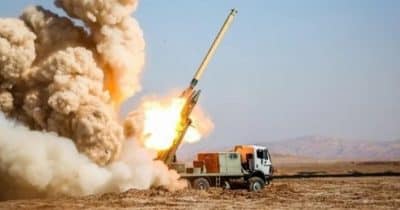
Iranian Revolutionary Guard Corps (IRGC) launched missile and drone attacks on US military bases, escalating Middle Eastern tensions and triggering cryptocurrency market volatility. The geopolitical crisis threatens oil supply stability, which historically correlates with crypto price movements as investors reassess macro risk exposure.
Military escalation in the Middle East introduces systemic risk to global markets, and cryptocurrency markets are proving sensitive to these geopolitical tremors. When tensions spike between major powers, traditional safe-haven assets like gold and US Treasuries typically strengthen, while risk assets including cryptocurrencies experience volatility as traders reposition portfolios. The IRGC attacks represent a direct military confrontation that could easily expand, creating uncertainty about the region's stability for months ahead.
Historically, Middle Eastern conflicts have disrupted oil markets, causing price shocks that ripple through equity markets and alter macroeconomic conditions. Oil price spikes increase inflation concerns, which central banks address through monetary policy adjustments—a dynamic that directly impacts crypto valuations. During previous regional tensions, Bitcoin and other cryptocurrencies experienced sharp swings as investors fled risk or repositioned capital based on changing economic forecasts.
For crypto investors and traders, this escalation creates dual pressures: short-term volatility from panic selling and margin liquidations, combined with longer-term uncertainty about how extended conflicts might reshape central bank policies and inflation trajectories. If oil prices surge significantly, traditional markets may face stagflation concerns, potentially driving some capital toward alternative assets like Bitcoin as inflation hedges, though this effect typically emerges only after initial panic subsides.
Market participants should monitor oil prices, Treasury yields, and equity index movements as leading indicators of sustained volatility. The duration and scope of the conflict will determine whether this becomes a temporary volatility event or catalyzes structural shifts in macro asset allocation that persist across quarters.
- →Military escalation between Iran and the US triggered crypto market volatility as investors reassess geopolitical risk exposure.
- →Middle Eastern conflicts historically disrupt oil markets, creating inflation shocks that influence central bank policy and crypto valuations.
- →Bitcoin and cryptocurrencies exhibit sensitivity to macro geopolitical events, particularly those affecting energy markets and economic policy.
- →Short-term volatility from panic selling may eventually transition to longer-term capital flows if oil prices remain elevated and stagflation concerns emerge.
- →Extended regional conflicts could reshape monetary policy trajectories, altering the macro conditions that drive crypto investor positioning.