
US military planes land as Iran warns of conflict escalation
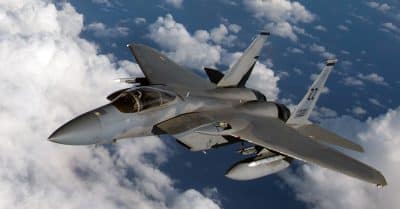
Increased U.S. military deployments to the region have prompted Iran to warn of potential conflict escalation, raising geopolitical tensions. This development threatens regional stability and could influence global financial markets, including cryptocurrency volatility driven by macroeconomic uncertainty.
The deployment of additional U.S. military aircraft signals an intensification of diplomatic tensions in a strategically critical region. Iran's escalation warnings suggest both sides are willing to increase military posturing, creating uncertainty that historically drives investors toward alternative assets and away from traditional markets. Geopolitical crises of this magnitude typically trigger flight-to-safety behavior, where investors reallocate capital to perceived safe havens including cryptocurrencies, precious metals, and U.S. Treasury bonds.
Regional military buildups have precedent in affecting global energy prices, particularly crude oil, which directly influences inflation expectations and central bank policy. Previous similar escalations in 2020 and early 2022 corresponded with significant cryptocurrency price movements as markets priced in macroeconomic uncertainty and potential sanctions regimes. The cryptocurrency market's 24/7 nature makes it particularly responsive to geopolitical news that occurs outside traditional trading hours.
For crypto market participants, sustained geopolitical tension typically strengthens Bitcoin and other non-correlated assets as investors hedge portfolio risk. However, if escalation leads to actual military conflict, broader market sell-offs could pressure all risk assets including cryptocurrencies. Energy sector volatility becomes critical—oil price spikes reduce consumer purchasing power and corporate margins, potentially dampening crypto adoption in developed markets.
Observers should monitor diplomatic developments closely, as de-escalation announcements would likely trigger risk-asset selloffs. Conversely, further military deployments or direct military engagement would reinforce safe-haven demand for Bitcoin and stablecoins. Central bank communications regarding potential inflation from energy prices warrant particular attention.
- →U.S. military aircraft deployments and Iranian escalation warnings create macroeconomic uncertainty affecting asset allocation globally.
- →Geopolitical crises historically drive cryptocurrency demand as a non-correlated, 24/7-tradable alternative to traditional markets.
- →Oil price volatility resulting from regional tensions could influence inflation expectations and central bank monetary policy.
- →Crypto market participants should monitor diplomatic developments and military deployment announcements for trading signals.
- →Safe-haven demand typically strengthens Bitcoin while broader conflict risk could pressure overall risk asset markets.