
Iran’s Khamenei approves MoU with US after assurances on rights, crypto markets feel the ripple
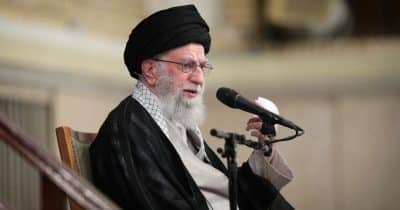
Iran's Supreme Leader Khamenei has approved a Memorandum of Understanding with the United States following assurances on human rights protections. This diplomatic development could significantly reshape Iran's economic strategy by reducing its reliance on cryptocurrency as a sanctions-evasion tool, with potential ripple effects across global crypto markets.
The approval of a US-Iran MoU represents a meaningful shift in bilateral relations, signaling potential movement toward easing decades-long economic sanctions. Historically, Iran has turned to cryptocurrency as a critical financial lifeline, using digital assets to circumvent international banking restrictions and maintain economic activity. Bitcoin and other cryptocurrencies enabled Iran to conduct cross-border transactions, access global markets, and preserve capital value outside the traditional financial system. This strategic reliance on crypto emerged from necessity rather than innovation preference, driven by exclusion from SWIFT and international payment systems.
If sanctions relief materializes through this diplomatic channel, Iran's cryptocurrency usage could decline substantially. Reduced sanctions would restore access to conventional banking, international trade, and foreign currency reserves, diminishing the urgency to transact in digital assets. This transition carries multilayered implications for global crypto markets. Reduced demand from Iranian entities could marginally decrease trading volumes in certain corridors and potentially ease upward pressure on Bitcoin sustained partly by geopolitical hedging demand from sanctioned nations.
The broader market impact depends on implementation speed and scope of sanctions relief. Investors should monitor whether the MoU leads to concrete policy changes or remains a non-binding framework. The shift demonstrates how geopolitical stability can alter crypto's fundamental utility—transforming it from essential financial infrastructure in sanctioned economies to discretionary asset class participation. This highlights crypto's evolving role in global finance, where regulatory environment and political relationships directly influence adoption patterns and trading dynamics.
- →Iran's MoU with the US may reduce cryptocurrency reliance if sanctions ease and banking access restores
- →Decreased Iranian crypto demand could marginally impact global trading volumes and asset valuations
- →The agreement signals potential normalization of Iran's access to conventional financial systems
- →Geopolitical developments directly influence crypto adoption in sanctioned economies
- →Investors should track MoU implementation progress for concrete sanctions relief timelines