
Iran seeks response to US naval blockade disrupting oil exports: WSJ
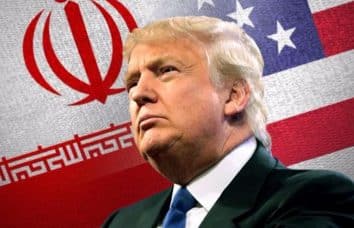
Iran is seeking international response to a US naval blockade that is significantly disrupting its oil exports. The blockade's impact on global oil supply is expected to increase commodity prices and market volatility, with potential ripple effects across energy markets and broader economic sectors.
The US naval blockade targeting Iranian oil exports represents an escalation in geopolitical tensions between Washington and Tehran, directly restricting one of OPEC's historically significant producers from accessing global markets. This move signals renewed pressure on Iran's economic lifelines following previous sanctions regimes, creating uncertainty around future oil supply dynamics. The blockade's effectiveness in reducing Iranian oil flows to international buyers introduces a constrained supply situation in an already volatile energy market.
Historically, Iranian oil supply disruptions have triggered commodity market reactions, as Iran remains a meaningful contributor to global petroleum production. Previous sanctions and blockades have prompted price volatility and forced markets to reprrice energy commodities. This incident follows a pattern of escalating US-Iran tensions that periodically resurface as geopolitical friction points affecting energy security.
For markets broadly, restricted Iranian oil exports tighten global supply, creating upward pressure on crude prices and energy-related assets. This inflationary pressure cascades through transportation, manufacturing, and consumer sectors. Cryptocurrency markets typically respond to macro inflation concerns, as digital assets serve as inflation hedges for some investors. Higher energy costs reduce profit margins for energy-intensive industries, including blockchain and AI infrastructure operators.
Observers should monitor whether the blockade persists, escalates, or faces diplomatic resolution. Sustained oil price elevation could drive broader inflation expectations, influencing central bank monetary policy and risk asset valuations. The geopolitical dimension also raises questions about potential retaliatory actions or third-party involvement, which could further destabilize energy markets and create secondary economic shocks.
- →US naval blockade disrupts Iranian oil exports, tightening global petroleum supply
- →Oil price increases from supply constraints create inflationary pressure across economies
- →Energy-intensive sectors including crypto mining face higher operational costs
- →Geopolitical tensions between US and Iran escalate international relations risks
- →Sustained commodity inflation may influence central bank policy and asset valuations