
Iran warns US naval blockade violates ceasefire, threatens retaliation
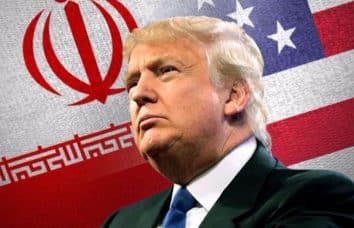
Iran has accused the United States of violating a ceasefire agreement through a naval blockade and warned of potential retaliation, escalating regional tensions. The heightened geopolitical conflict poses risks to global market stability and could trigger rapid diplomatic deterioration affecting oil prices, currency markets, and broader economic conditions.
The Iran-US naval tensions represent a significant escalation in Middle Eastern geopolitical risk that extends beyond traditional security concerns into financial markets. Historically, conflicts in this region have triggered volatility across commodity markets, particularly crude oil, which serves as a benchmark for global energy costs. A blockade scenario could disrupt shipping routes critical to international trade, creating cascading effects on inflation expectations and central bank policy responses.
For cryptocurrency and digital asset markets, geopolitical crises function as macro drivers. During previous Middle Eastern tensions, bitcoin and other cryptocurrencies have demonstrated both safe-haven demand—as investors hedge against currency devaluation in affected regions—and correlation with risk-off sentiment that suppresses speculative asset classes. The threat of rapid escalation introduces uncertainty that typically compresses valuations across growth-oriented sectors while occasionally strengthening deflationary assets.
Investors and traders monitoring exposure to energy stocks, emerging market currencies, and geopolitically sensitive sectors face near-term volatility. Crypto market participants should watch for sudden moves in oil futures and broader equities as barometers of escalation risk. The diplomatic channel remains open, suggesting the situation could de-escalate as quickly as it intensified, making position sizing and risk management critical. Regional sanctions or new trade restrictions could emerge rapidly, directly affecting blockchain companies with Middle Eastern operations or exposure to affected financial systems.
- →Iran claims US naval blockade violates ceasefire agreement, creating imminent retaliation risk
- →Middle Eastern geopolitical escalation historically drives crude oil volatility and broader market instability
- →Cryptocurrency markets may experience safe-haven demand or risk-off correction depending on escalation trajectory
- →Potential regional sanctions could impact blockchain firms with Middle Eastern exposure or financial connections
- →Rapid diplomatic shifts are possible, making dynamic risk assessment essential for traders