
Iran accuses US of bad faith, peace deal odds drop sharply
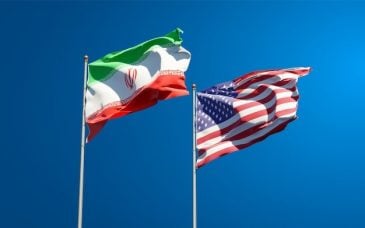
Escalating tensions between Iran and the US over peace negotiations have significantly diminished diplomatic prospects, with deepening mutual distrust threatening regional stability and broader geopolitical equilibrium. The deterioration in diplomatic relations carries implications for global markets, including cryptocurrency volatility driven by geopolitical risk premiums.
The breakdown in Iran-US diplomatic relations represents a critical inflection point in Middle Eastern geopolitics. When major powers abandon negotiation frameworks, markets react defensively as uncertainty regarding regional conflicts, sanctions regimes, and energy security increases. This particular development matters because Iran's relationship with the US directly influences oil prices, currency volatility, and capital flight patterns—all factors that historically correlate with cryptocurrency adoption and market movement. The cryptocurrency market has established a pattern of responding to geopolitical flashpoints, particularly sanctions-related events that drive individuals and institutions toward decentralized financial systems. The current impasse suggests diminished likelihood of sanctions relief, which could perpetuate existing financial isolation mechanisms that inadvertently promote crypto adoption in sanctioned economies. From a macroeconomic perspective, escalating tensions reduce institutional risk appetite, potentially triggering flight-to-safety dynamics that benefit alternative assets including Bitcoin and precious metals. Investors should monitor how this diplomatic breakdown translates into specific policy actions—particularly new sanctions announcements or military escalation—which would directly impact energy markets and broader risk-on sentiment. The interconnection between geopolitical stability and crypto valuations means sustained tension could support defensive positioning in digital assets. Market participants should watch for any signals indicating whether this represents a temporary rhetorical escalation or fundamental shift in negotiation viability, as the former typically produces temporary volatility while the latter reshapes longer-term capital allocation decisions.
- →Deteriorating Iran-US relations reduce diplomatic resolution odds and increase geopolitical risk premiums across markets
- →Sanctions continuation reinforces financial isolation that historically correlates with increased cryptocurrency adoption
- →Energy market uncertainty from regional tensions influences risk appetite and alternative asset valuations
- →Sustained diplomatic failure suggests prolonged institutional uncertainty affecting capital allocation strategies
- →Cryptocurrency markets typically exhibit defensive positioning during major geopolitical escalations