
Iran cites ‘major differences’ with US after failed peace talks
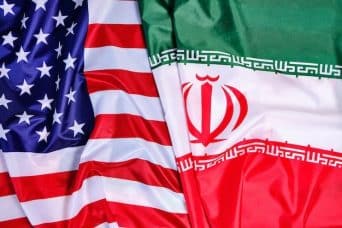
US-Iran peace talks have collapsed with both sides citing major differences, escalating geopolitical tensions and reducing near-term prospects for diplomatic resolution. This development dampens market optimism and threatens investor confidence across global assets, including cryptocurrency markets sensitive to geopolitical risk.
The breakdown in US-Iran negotiations represents a critical inflection point in Middle Eastern geopolitics with immediate implications for global financial markets. Failed diplomatic efforts typically precede periods of heightened uncertainty, as both nations retreat to more adversarial postures and risk miscalculation increases. The specific nature of disagreements—whether sanctions-related, nuclear program scope, or regional proxy conflicts—will determine the severity and duration of resulting market volatility.
Historically, US-Iran tensions have created market dislocations across multiple asset classes. Previous escalations in 2019-2020 triggered oil price spikes, currency fluctuations in emerging markets, and flight-to-safety flows that paradoxically benefited Bitcoin as a geopolitical hedge. The current context differs depending on whether markets view this as temporary negotiation posturing or genuine deterioration in relations. Risk-off sentiment typically weakens risk assets including cryptocurrencies in the immediate term, though prolonged tensions eventually support alternative asset narratives.
Crypto markets respond to geopolitical stress through multiple transmission mechanisms: elevated oil prices increase inflation expectations, central bank policy shifts create macro headwinds, and capital flight from unstable regions seeks digital asset alternatives. Emerging market currencies often weaken during US-Iran tensions, making Bitcoin attractive for wealth preservation in affected economies. Institutional investors monitoring macro risks may reduce leverage and rotate toward uncorrelated assets, affecting cryptocurrency liquidity conditions.
Market participants should monitor whether escalation includes new sanctions, military posturing, or diplomatic channels remain open. The timing and severity of any additional measures will determine whether this represents a temporary setback or sustained period of elevated geopolitical premium pricing into energy and alternative assets.
- →Collapsed US-Iran talks increase geopolitical risk premium affecting global markets and cryptocurrency volatility
- →Historical precedent shows Middle East tensions create flight-to-safety flows that can support Bitcoin as alternative asset
- →Oil price sensitivity and emerging market currency weakness typically accompany sustained US-Iran escalation
- →Cryptocurrency markets remain reactive to macro uncertainty, with institutional behavior driving short-term volatility more than fundamental shifts
- →Extent of impact depends on whether this represents tactical negotiation breakdown or genuine strategic deterioration