
Tehran submits response to US peace proposal as crypto markets brace for volatility
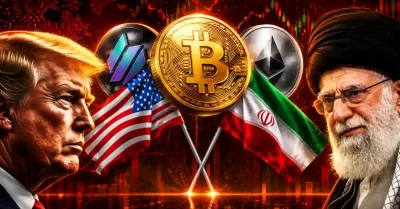
Tehran has submitted a response to a US peace proposal amid escalating geopolitical tensions, prompting cryptocurrency markets to prepare for increased volatility. The diplomatic developments could ripple through energy markets and subsequently impact crypto asset valuations due to macroeconomic uncertainty and potential sanctions dynamics.
Geopolitical tensions between Iran and the United States represent a significant macro catalyst for cryptocurrency markets. When diplomatic channels activate—particularly around nuclear negotiations or sanctions frameworks—financial markets brace for uncertainty. This dynamic stems from the interconnected nature of modern markets: geopolitical risk elevates oil prices, inflation expectations shift, and investors reassess risk appetite across all asset classes including cryptocurrencies.
Historically, Iran-US tensions have created trading patterns where risk assets like Bitcoin experience volatility as flight-to-safety dynamics emerge. Energy price shocks cascade through inflation expectations and central bank policy outlooks, directly affecting crypto valuations. Additionally, sanctions regimes can restrict cryptocurrency adoption or trading in affected regions, creating regulatory uncertainty that influences global market sentiment.
For crypto investors and traders, this situation demands heightened market awareness. Volatility spikes often create both opportunity and risk—sudden liquidations in leveraged positions can trigger cascading selloffs, while strategic accumulation windows emerge for longer-term holders. Energy market correlations become particularly relevant; Bitcoin's relationship with energy costs intensifies when geopolitical events threaten supply chains.
Market participants should monitor official statements from the US and Iranian governments, track oil price movements as a leading indicator for risk sentiment, and watch for any sanctions-related announcements that could affect crypto infrastructure or trading venues. The coming weeks will reveal whether diplomatic progress stabilizes sentiment or escalation amplifies volatility across crypto markets.
- →Iran-US diplomatic developments create macro uncertainty that directly influences cryptocurrency market volatility through energy price and inflation dynamics.
- →Geopolitical tensions historically trigger risk-off sentiment, causing capital rotation away from speculative assets like cryptocurrencies.
- →Energy price shocks stemming from Middle East tensions cascade into inflation expectations and central bank policy, affecting crypto valuations.
- →Sanctions frameworks can restrict cryptocurrency adoption in affected regions, creating regulatory uncertainty for global markets.
- →Traders should monitor diplomatic statements and oil prices as leading indicators for shifts in crypto market sentiment.