
US Central Command intercepts Iranian missiles, strikes radar sites in Strait of Hormuz escalation
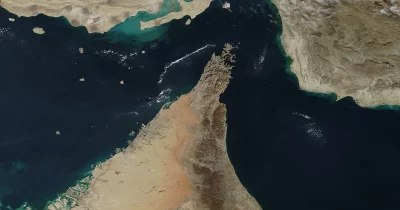
US Central Command intercepted Iranian missiles and struck radar sites in the Strait of Hormuz, escalating regional tensions. This geopolitical flashpoint threatens critical global oil supply routes and introduces macroeconomic volatility that historically impacts cryptocurrency markets through risk-asset repricing.
The military escalation in the Strait of Hormuz represents a critical intersection of geopolitical risk and financial market stability. The interception of Iranian missiles and subsequent strikes on radar installations signal a significant deterioration in US-Iran relations, moving beyond diplomatic posturing into direct military engagement. This matters because the Strait of Hormuz serves as a chokepoint for approximately 20-30% of global seaborne oil trade, making any disruption to shipping lanes a systemic risk to energy markets worldwide.
Historically, US-Iran tensions have cycled through periods of escalation and de-escalation since the 2015 nuclear deal's collapse and the 2020 Soleimani assassination. Each cycle has introduced uncertainty premiums into oil prices and broader financial markets. The current military engagement suggests this cycle is entering a more kinetic phase than recent years, with tangible risks of supply disruptions rather than merely rhetorical threats.
For cryptocurrency and digital asset markets, geopolitical crises typically trigger flight-to-safety behavior, initially pressuring risk assets including crypto. However, prolonged Strait of Hormuz disruptions would spike oil prices, driving inflation expectations higher and potentially supporting alternative store-of-value narratives around Bitcoin. Investors should monitor crude oil futures and energy sector volatility as leading indicators for crypto market pressure in the near term.
The situation demands close attention to shipping insurance premiums, tanker tracking data, and Iranian retaliatory statements. Sustained escalation could trigger broader market corrections, while de-escalation signals would likely support relief rallies across risk assets including cryptocurrencies.
- →Strait of Hormuz controls 20-30% of global seaborne oil trade, making disruptions a systemic economic threat
- →US-Iran military escalation increases crude oil price volatility and inflation expectations
- →Geopolitical crises typically trigger initial crypto sell-offs as investors seek safe-haven assets
- →Prolonged supply disruptions could elevate oil prices and strengthen Bitcoin's store-of-value narrative
- →Monitor tanker shipping insurance, crude futures, and Iranian statements for escalation signals