
Iran fires warning shots at US destroyers near Strait of Hormuz, raising oil and crypto market jitters
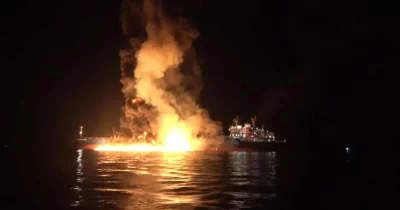
Iran fired warning shots at US destroyers operating near the Strait of Hormuz, escalating geopolitical tensions in a critical global oil chokepoint. This military confrontation threatens to destabilize international oil supplies and trigger increased regulatory scrutiny on cryptocurrency markets, creating volatility concerns for investors across both asset classes.
The Iranian military's warning shots represent a direct escalation in US-Iran tensions centered on one of the world's most strategically critical waterways. Approximately one-third of global seaborne oil passes through the Strait of Hormuz, making any disruption to shipping in this region a systemic risk to energy markets worldwide. This incident underscores how geopolitical instability can rapidly cascade into financial market impacts.
Historically, US-Iran tensions have spiked multiple times over the past decade, including the 2020 assassination of General Soleimani and subsequent retaliatory missile strikes. These recurring flashpoints have established a pattern where military confrontations near the Strait trigger immediate commodity market reactions. The current escalation fits this broader pattern of escalating brinkmanship without resolution of underlying diplomatic tensions.
For crypto markets, the implications operate on two fronts. First, oil price spikes driven by supply-chain anxiety typically correlate with inflationary pressures and central bank policy tightening, which historically pressures risk assets including cryptocurrencies. Second, geopolitical crises often trigger regulatory responses—governments may intensify crypto oversight citing national security and capital control concerns during periods of instability. Both dynamics create headwinds for crypto valuations.
Investors should monitor whether this incident leads to actual disruptions in oil shipments or escalates further. Minor incidents may cause temporary volatility without lasting impact, while any blocking of the Strait would constitute a genuine macro shock affecting both energy and financial markets significantly.
- →Iran's warning shots near the Strait of Hormuz threaten the world's largest oil transit chokepoint, risking supply disruptions.
- →Geopolitical crises typically trigger both commodity inflation and increased regulatory pressure on cryptocurrency markets.
- →Oil price spikes from supply concerns create headwinds for risk assets including cryptocurrencies through inflation expectations.
- →Historical patterns show US-Iran tensions near the Strait generate market volatility but rarely result in sustained closures.
- →Investors should distinguish between temporary tactical escalation and strategic disruption to shipping lanes for appropriate risk assessment.