
Iran-US war declaration market stable amid economic constraints
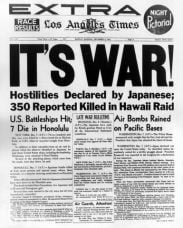
Despite escalating Iran-US geopolitical tensions and potential military conflict declarations, cryptocurrency and financial markets have remained relatively stable, suggesting that economic constraints and risk management mechanisms are tempering panic-driven volatility. The market's resilience indicates that investors are pricing in conflict risk while balancing broader macroeconomic headwinds.
The stability of cryptocurrency and traditional financial markets amid Iran-US military tensions reveals a maturing market response to geopolitical crises. Rather than triggering immediate sell-offs or flight-to-safety movements, participants appear to be calibrating expectations based on economic constraints facing both nations and historical patterns of conflict escalation and de-escalation. This measured response contrasts with earlier crypto market behavior during geopolitical shocks, suggesting institutional adoption and hedging strategies have reduced reactive volatility.
Geopolitical tensions between Iran and the US have long created market uncertainty, but current economic conditions—including inflation, currency pressures, and sanctions regimes—create complex incentives that complicate traditional safe-haven dynamics. Cryptocurrency has gradually positioned itself as an alternative to traditional safe-haven assets, particularly for investors in sanctioned economies or those seeking alternatives to currency depreciation. The broader context of US-Iran tensions intersects with ongoing questions about cryptocurrency adoption in regions facing international financial isolation.
For cryptocurrency investors, stable markets during high geopolitical risk suggest that crypto's utility as a hedge against geopolitical uncertainty may be functioning as designed. However, the stability also reflects limited direct exposure of major crypto holdings to Middle Eastern conflict zones. Traders should monitor how sustained tensions affect oil prices, dollar strength, and emerging-market currencies—factors that historically drive crypto volatility more reliably than headline geopolitical events.
Looking forward, the key variable is whether economic constraints prevent actual military escalation, or whether tensions create secondary effects through energy markets and currency volatility that ultimately impact crypto price discovery.
- →Cryptocurrency markets remained stable despite Iran-US military tensions, indicating maturing risk management and institutional hedging strategies.
- →Economic constraints on both nations may limit escalation likelihood, reducing tail-risk premiums in financial markets.
- →Crypto's utility as an alternative financial rail becomes relevant in geopolitically sensitive regions facing sanctions.
- →Actual market impact likely depends on secondary effects through oil prices and currency markets rather than headline military events.
- →Historical patterns suggest investors are pricing in tensions while awaiting concrete escalation signals before repricing risk.