
Trump strikes Iran, hints at new deal as tensions rise
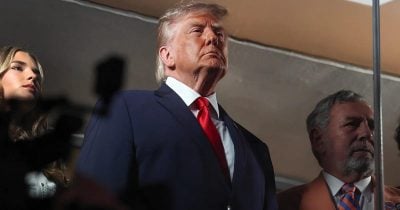
Escalating U.S.-Iran military tensions are straining diplomatic prospects and creating geopolitical uncertainty that dampens global market confidence. The situation presents a risk factor for cryptocurrency and traditional markets sensitive to geopolitical instability.
The Trump administration's military strikes against Iran represent a significant escalation in an already volatile geopolitical relationship, directly impacting risk sentiment across global markets including cryptocurrency. These actions signal a shift away from diplomatic engagement, despite hints of potential future negotiations, creating uncertainty about the trajectory of U.S.-Iran relations and broader Middle Eastern stability.
The historical context of U.S.-Iran tensions, including previous sanctions regimes and nuclear deal negotiations, shapes how markets interpret current military actions. Investors recognize that geopolitical crises of this magnitude can disrupt global trade flows, energy markets, and capital allocation strategies. The mixed messaging—simultaneous military action and hints at deal-making—adds unpredictability that markets actively avoid.
Cryptocurrency markets respond negatively to geopolitical risk as investors typically shift toward safe-haven assets during periods of heightened tension. Rising geopolitical uncertainty correlates with reduced speculative appetite for digital assets and increased volatility across crypto exchanges. Risk-off sentiment typically triggers capital flight from emerging asset classes toward traditional safe havens like government bonds and gold.
Monitoring the trajectory of U.S.-Iran negotiations becomes critical for market participants. Any escalation toward direct military conflict or sanctions expansion could significantly impact oil prices, currency markets, and risk appetite globally. Conversely, successful diplomatic breakthroughs could restore market confidence and support risk-on positioning across asset classes including cryptocurrency.
- →Military escalation between U.S. and Iran reduces near-term probability of diplomatic resolution
- →Geopolitical uncertainty typically triggers risk-off sentiment and reduces crypto market participation
- →Energy market volatility from Middle East tensions historically correlates with broader market disruption
- →Mixed messaging on negotiations creates unpredictability that weighs on investor confidence
- →Monitor diplomatic developments closely as major catalysts for sentiment shifts across markets