
Iran vows forceful response if provoked, US-Iran peace deal odds drop sharply
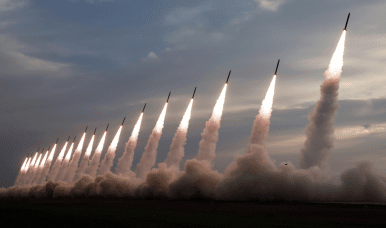
Escalating US-Iran tensions and increasingly aggressive rhetoric have significantly reduced the likelihood of a diplomatic peace agreement, with Iran pledging a forceful response to any provocation. The heightened geopolitical risk has intensified regional instability and introduced substantial uncertainty into global markets, including cryptocurrency and broader financial assets.
The deterioration of US-Iran diplomatic relations represents a critical geopolitical flashpoint that reverberates through global financial markets. When tensions between major regional powers escalate without clear de-escalation pathways, investors face heightened uncertainty about potential military conflict, sanctions escalation, or disruption to critical infrastructure and energy supplies. This dynamic historically creates volatility across all asset classes as market participants reassess risk profiles and reallocate capital toward perceived safe havens.
The broader context reveals a cyclical pattern in US-Iran relations, with negotiations repeatedly breaking down over differing demands regarding nuclear programs, sanctions relief, and regional proxy conflicts. The current rhetoric suggests both parties are hardening positions rather than seeking common ground, reducing near-term diplomatic prospects. Previous escalations in this relationship have prompted significant market movements, particularly in energy prices, which cascade through inflation expectations and monetary policy considerations.
Cryptocurrency markets typically respond to geopolitical uncertainty through increased volatility and demand for non-correlated assets. Bitcoin and other digital assets often attract capital during periods of traditional market instability and currency devaluation concerns, particularly in regions affected by sanctions. However, immediate crypto market impact depends on whether markets perceive this as a containable regional tension or a catalyst for broader macroeconomic disruption.
Investors should monitor diplomatic communication channels, military posturing indicators, and any signals from international mediators. Escalation milestones—such as military movements, additional sanctions, or explicit military threats—would likely trigger significant market repricing. The trajectory over the next 30-60 days will determine whether this represents temporary rhetoric or genuine movement toward military confrontation.
- →US-Iran peace deal prospects have declined sharply due to heightened tensions and aggressive statements from both sides
- →Regional instability and geopolitical uncertainty typically increase volatility across cryptocurrency and traditional financial markets
- →Crypto markets may see increased demand as a non-correlated asset during periods of macroeconomic and political uncertainty
- →Investors should monitor diplomatic channels and military positioning as key indicators of escalation or de-escalation trends
- →Potential sanctions expansion or energy supply disruptions could trigger broader market repricing beyond regional effects