
Tasnim urges Iran to close Strait of Hormuz amid US-Iran MoU tensions
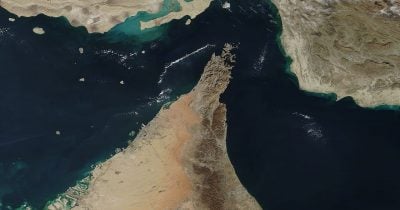
Iran's Tasnim news agency is reportedly urging the Iranian government to close the Strait of Hormuz amid escalating US-Iran tensions over a memorandum of understanding. Such action could significantly disrupt global oil supplies and destabilize the region, with potential ripple effects on energy markets and cryptocurrency valuations.
The Strait of Hormuz represents one of the world's most critical chokepoints for energy transit, with approximately 20% of global petroleum passing through its waters daily. Tasnim's call for closure reflects deteriorating diplomatic relations between the US and Iran, suggesting rhetorical escalation that could precede concrete military or economic actions. This geopolitical flashpoint directly impacts global energy markets, which historically influence cryptocurrency volatility and investor risk appetite. When oil prices spike due to supply disruptions, traditional markets experience turbulence that often extends into digital assets as investors reassess portfolio allocations across risk classes.
Historically, US-Iran tensions have driven commodity prices upward and created macroeconomic uncertainty. The threat of Strait closure introduces supply-side risks that central banks and governments take seriously, potentially triggering strategic reserves releases or policy interventions. For cryptocurrency markets, geopolitical crises typically manifest as flight-to-safety behaviors, where investors rotate from risk assets into perceived safe havens. However, inflation expectations from energy disruptions can simultaneously support inflation-hedging narratives around Bitcoin and other assets.
The cryptocurrency and decentralized finance sectors remain sensitive to broader macroeconomic shocks. Energy-dependent mining operations and blockchain infrastructure face operational challenges if regional instability expands. Traders and institutional investors monitoring geopolitical risk factors should track developments in US-Iran negotiations and military posturing around the Strait, as these signals often precede volatility spikes in both energy and cryptocurrency markets. Regulatory responses to regional instability could also influence cryptocurrency policy frameworks.
- →Strait of Hormuz closure threats create supply-side energy shocks affecting global markets and cryptocurrency volatility
- →Geopolitical escalation between US and Iran historically triggers flight-to-safety rotations in investment portfolios
- →Oil price spikes from energy disruptions influence inflation expectations and cryptocurrency valuations
- →Energy-dependent blockchain mining operations face operational risks from regional instability
- →Investors should monitor diplomatic negotiations and military activity as leading indicators for market turbulence