
Iran asks US to stop bombing as Trump reveals back-channel communications
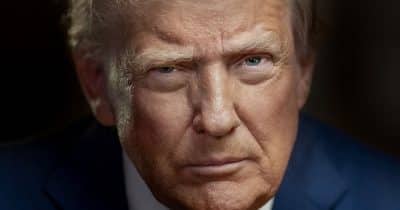
Escalating geopolitical tensions between the US and Iran, marked by diplomatic communications and military threats, are creating substantial volatility in global financial markets including cryptocurrency assets. The situation underscores how macroeconomic and geopolitical instability directly influences crypto market behavior and investor sentiment.
Geopolitical conflicts between major powers serve as powerful macro drivers for cryptocurrency markets, which often function as hedges against traditional market instability and currency devaluation. The Iran-US tensions revealed through back-channel communications signal elevated geopolitical risk, prompting investors to reassess portfolio allocation across assets. Cryptocurrency markets typically experience increased volatility during periods of international tension, as traders seek alternative stores of value and protection against potential currency depreciation or economic sanctions.
Historically, cryptocurrency adoption accelerates in regions facing economic sanctions or currency instability, as seen with Iran's previous sanctions periods. Back-channel diplomatic communications suggest ongoing negotiation attempts, yet military posturing maintains uncertainty. This unpredictability creates trading opportunities but also increases risk for leveraged positions.
For crypto investors and market participants, geopolitical crises often correlate with flight-to-safety behavior, benefiting assets perceived as uncorrelated to traditional markets. However, broader macroeconomic consequences—including potential energy price shocks, capital flow restrictions, and regulatory responses—can create cascading effects across digital asset markets. Risk-averse investors may reduce exposure, while strategic investors view dips as accumulation opportunities.
Market participants should monitor diplomatic developments closely, as rapid escalation or de-escalation can trigger sharp price movements. Regulatory responses from Western governments, particularly regarding sanctions on Iranian crypto activity, could significantly impact market structure and compliance requirements across exchanges.
- →Geopolitical tensions between US and Iran directly increase volatility in cryptocurrency markets
- →Crypto markets typically appreciate as hedges during periods of international conflict and economic uncertainty
- →Back-channel communications suggest diplomatic efforts to de-escalate, but military posturing maintains elevated risk
- →Sanctions-affected regions historically drive crypto adoption as alternative financial infrastructure
- →Investors should monitor diplomatic developments for potential sharp price movements and regulatory changes