
100 days into Iran war, Trump struggles with US support and political fallout
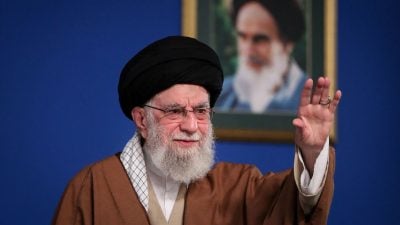
100 days into a military conflict with Iran, the Trump administration faces significant domestic political opposition that constrains escalation options. Public unpopularity of the war weakens Trump's political capital and paradoxically strengthens Iran's regime stability by reducing the likelihood of further military action.
Sustained military conflict generates domestic political costs that reshape foreign policy calculus. When public support erodes, elected officials face electoral penalties that constrain their ability to expand military operations, effectively creating a natural ceiling on conflict escalation driven by domestic political economy rather than military capability. Trump's political standing deteriorates as war costs mount and public approval declines, forcing strategic recalibration away from aggressive postures.
This dynamic reflects historical patterns where prolonged conflicts without clear victory timelines trigger domestic fatigue. The 100-day milestone marks a psychological turning point where initial crisis-driven support dissipates and cost-benefit analyses shift unfavorably. Congressional opposition and public polling translate into reduced political will for deeper involvement, constraining the executive branch's operational freedom.
The geopolitical paradox emerges: weak domestic support for escalation inadvertently stabilizes the Iranian regime by removing the threat of further military pressure. Tehran benefits from American political division, as internal U.S. debate over continued engagement reduces coordination for sustained pressure campaigns. This creates space for Iran to consolidate position and pursue regional objectives with reduced immediate threat of escalation.
Cryptocurrency and broader markets typically respond to geopolitical stability assessments. Reduced escalation probability lowers tail-risk premiums on energy and defense sectors, while potentially stabilizing emerging market assets and reducing safe-haven flows to traditional hedges. Investors should monitor polling trends and Congressional dynamics as indicators of actual conflict trajectory, which diverges sharply from rhetoric.
- →Domestic political opposition constrains Trump's ability to escalate the Iran conflict beyond current levels.
- →Public unpopularity of prolonged military engagement creates electoral costs that reshape foreign policy decisions.
- →Reduced escalation likelihood paradoxically strengthens Iran's regime stability by removing near-term military pressure.
- →Geopolitical de-escalation reduces tail-risk premiums in energy markets and safe-haven asset demand.
- →Congressional and polling dynamics are more predictive of actual conflict trajectory than official rhetoric.