
Iran’s Khamenei adviser warns against optimism in US talks, says America negotiating from desperation
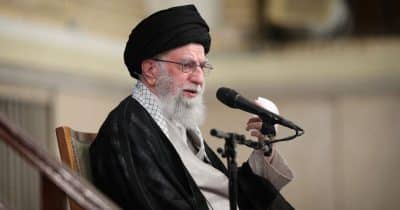
A senior adviser to Iran's Supreme Leader Khamenei has cautioned against optimism regarding ongoing US-Iran negotiations, asserting that America is negotiating from a position of desperation. The statement underscores the fragility of diplomatic efforts and highlights deep skepticism from Iran's leadership about the sincerity of US intentions in nuclear talks.
The warning from Khamenei's adviser reflects persistent tensions in US-Iran relations despite diplomatic engagement. The characterization of American negotiators as desperate suggests Iran's leadership believes it holds leverage in current discussions, potentially regarding sanctions relief or nuclear program restrictions. This positioning reflects a common negotiation tactic: projecting strength while questioning the counterparty's commitment. The stalled nature of talks indicates fundamental disagreements remain unresolved, likely centered on verification mechanisms, timeline expectations, and the scope of sanctions relief.
Historically, US-Iran negotiations have oscillated between periods of engagement and confrontation. The 2015 Joint Comprehensive Plan of Action represented a rare diplomatic breakthrough, only to be abandoned by the Trump administration in 2018. Current negotiations operate in this shadow of broken commitments, making trust-building exceptionally difficult. Iran's skepticism reflects legitimate concerns about American political consistency across administrations.
For cryptocurrency and blockchain markets, geopolitical tensions between major powers influence regulatory approaches and capital flows. US-Iran relations affect broader emerging markets sentiment and can impact how nations approach sanctions-resistant technologies. Sanctions regimes historically drive cryptocurrency adoption in affected regions seeking to circumvent financial isolation.
The path forward requires sustained diplomatic pressure and confidence-building measures. Observers should monitor whether either party makes concrete concessions or whether rhetoric continues hardening. Any escalation in tensions could reinforce cryptocurrency's appeal in sanctioned economies while potentially triggering regulatory responses in Western markets.
- →Iran's leadership remains deeply skeptical of US negotiating sincerity despite ongoing diplomatic talks.
- →Stalled negotiations indicate fundamental disagreements persist on verification, timelines, and sanctions relief.
- →Historical pattern of broken US commitments fuels Iranian doubts about agreement durability.
- →Geopolitical tensions influence cryptocurrency adoption in sanctions-affected regions.
- →Future escalation could reshape how nations approach sanctions-resistant financial technologies.