
20,000 people in Iran’s Hormozgan province lose drinking water after strikes
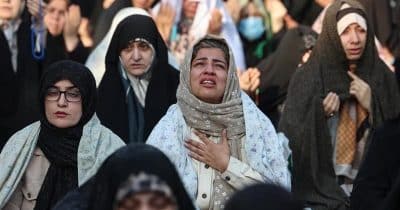
Water infrastructure in Iran's Hormozgan province was damaged by strikes, leaving approximately 20,000 civilians without access to drinking water. The incident underscores the humanitarian costs of regional geopolitical tensions and the vulnerability of critical civilian infrastructure to military conflict.
The destruction of water reservoirs in Hormozgan province represents a direct humanitarian crisis affecting thousands of civilians. Access to clean drinking water is a fundamental necessity, and its disruption creates immediate public health risks including disease outbreaks and malnutrition, particularly among vulnerable populations. This incident exemplifies how military operations can have cascading civilian impacts beyond conventional combat zones.
The broader context involves escalating tensions in the Middle East, where infrastructure targeting has become an increasingly common feature of regional conflicts. Water systems, power grids, and medical facilities have been systematically affected across multiple conflicts in the region over the past decade. These patterns reflect a shift toward asymmetric warfare tactics that prioritize infrastructure disruption as a strategic objective.
For investors and market participants, regional instability in critical geographic zones like the Persian Gulf creates macroeconomic uncertainty. Energy markets, shipping routes, and global supply chains face increased volatility when geopolitical tensions spike. Cryptocurrency markets historically respond to geopolitical crises with flight-to-safety movements, though the relationship remains complex and dependent on broader macro conditions.
Moving forward, international humanitarian organizations will likely increase pressure for protection of civilian infrastructure through diplomatic channels. The incident may prompt discussions about water security infrastructure hardening and decentralization in conflict-prone regions. Market participants should monitor escalation indicators and their potential correlation with risk asset volatility.
- →20,000 civilians in Hormozgan lost access to drinking water due to infrastructure strikes
- →The incident highlights the humanitarian costs of military conflict in critical civilian zones
- →Regional geopolitical instability continues to affect macroeconomic conditions globally
- →Infrastructure targeting represents a shifting pattern in regional conflict tactics
- →Cryptocurrency markets may experience volatility from broader geopolitical uncertainty